In this article, you will read about:
Who Bamakhepa Was
Bamdeb’s Fascinating Chronicles in 11 Chapters
Worshipping Ma Tara Through the Tantra Sadhana App
Who Was Bamakhepa?
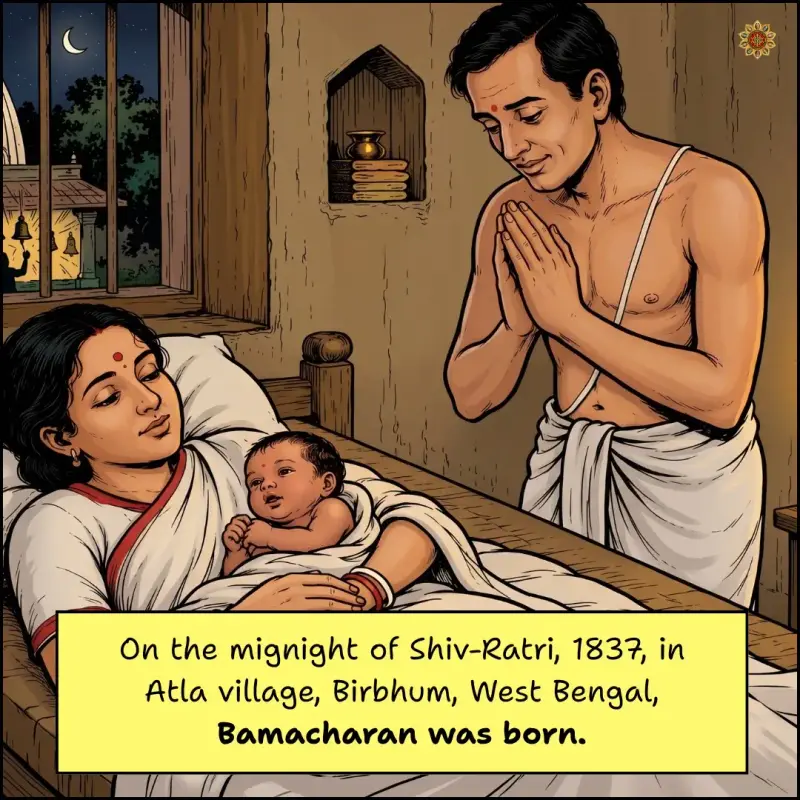
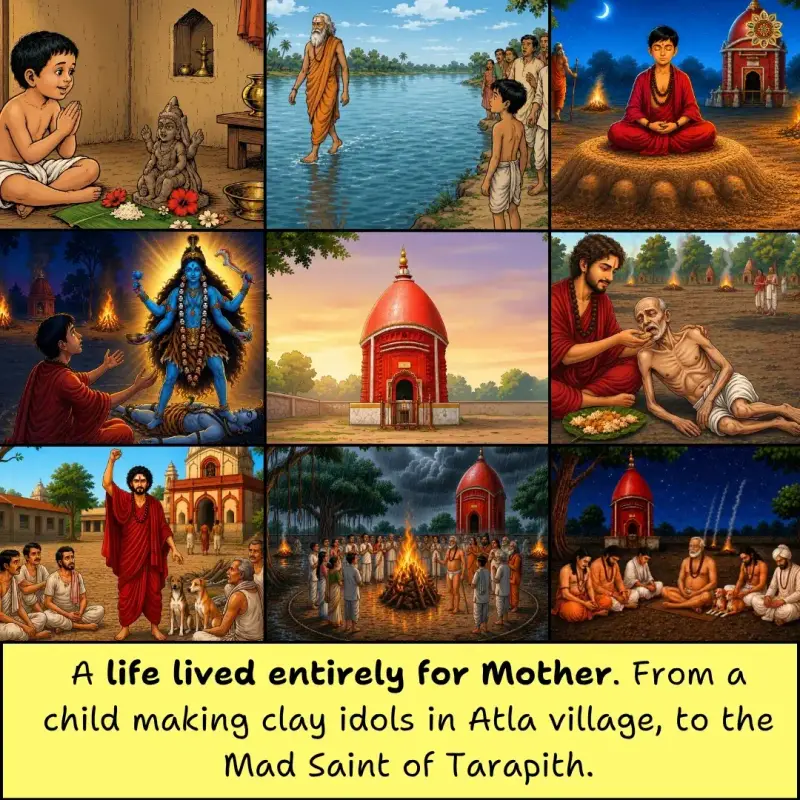
Sri Bamakhepa (1837–1911), born Bamacharan Chattopadhyay, is celebrated as one of the greatest Shakta and Tantric saints from Bengal, India.
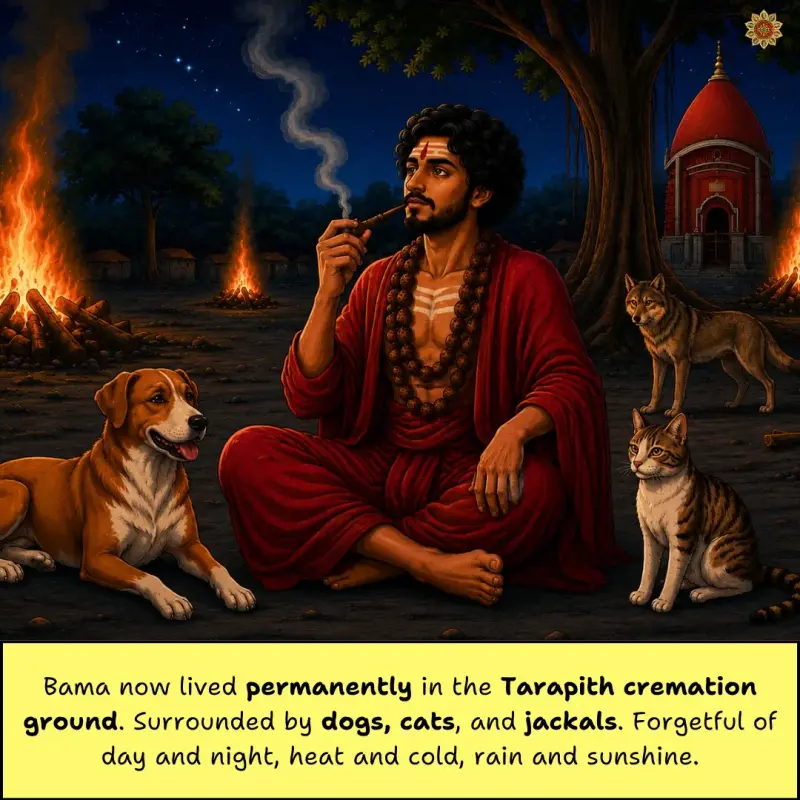
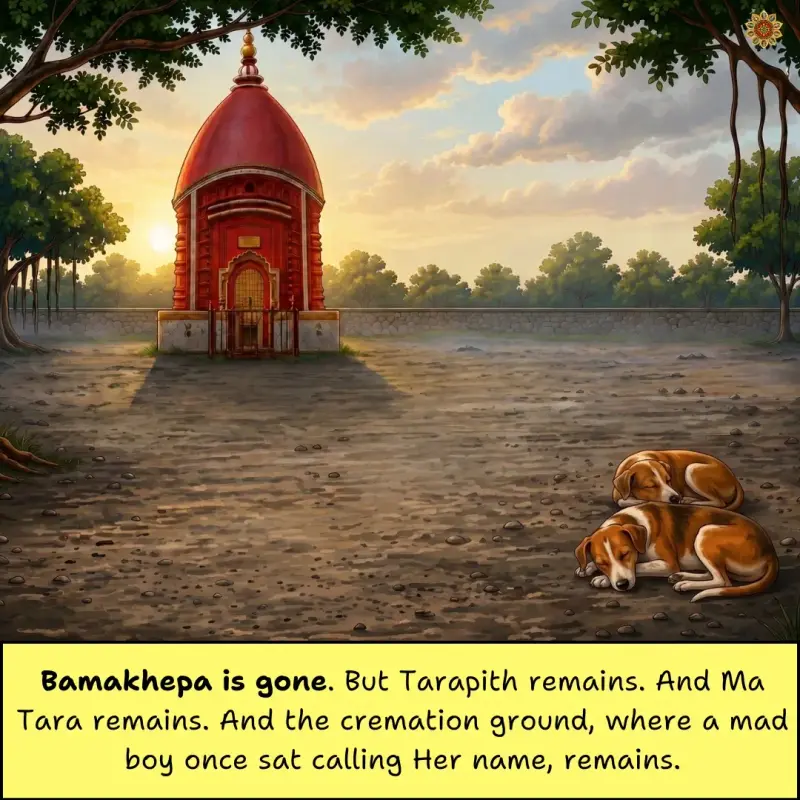
Deeply devoted to Goddess Tara (one of the fierce Tantric forms of the Divine Mother), he spent most of his life doing Sadhana in the cremation grounds of Tarapith, a famous pilgrimage site in Birbhum, West Bengal.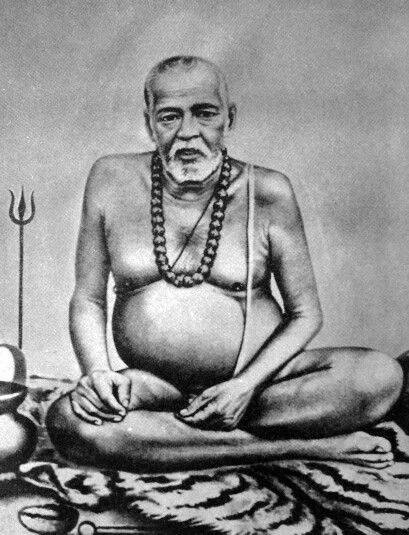
"Khepa" in Bengali means "mad" or "crazy". Bamacharan was called Bamakhepa for his unconventional, erratic behaviour, his complete disregard for social norms, and his fiery, childlike affection for the Goddess, whom he addressed directly as his own mother.
However, out of respect for his spiritual teachings and selfless social service as a realised saint, he is also called Bamdev or Bamdeb—where “Dev” means “God” or “Divine Lord”.
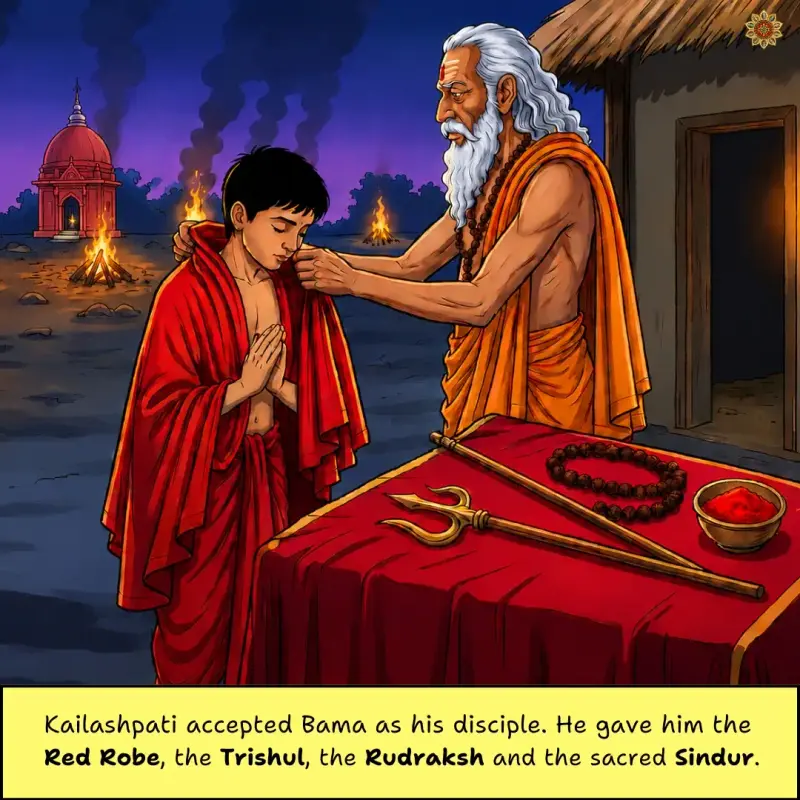
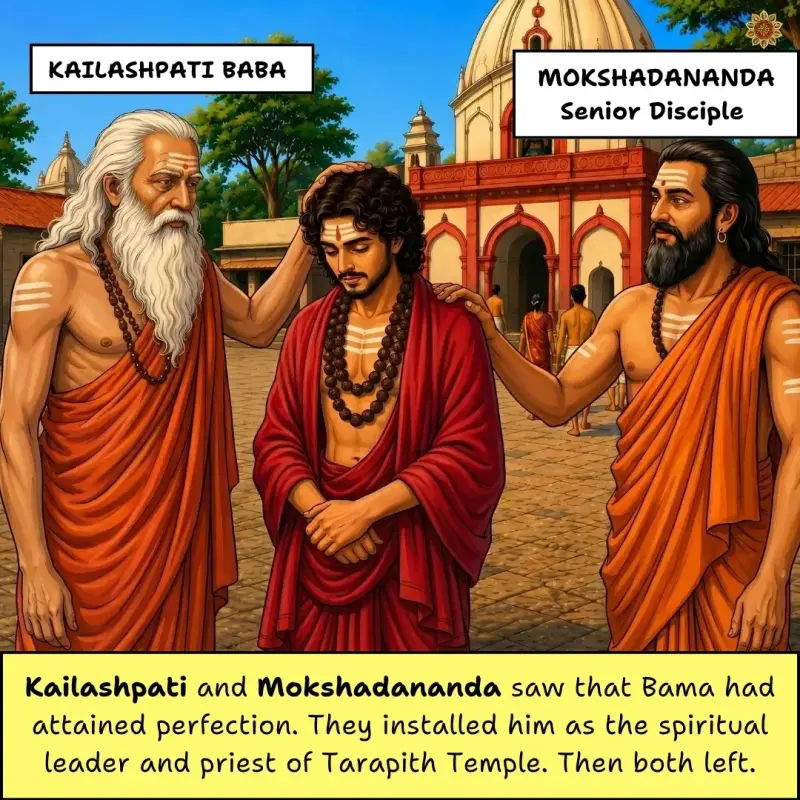
Bamakhepa practised Tantra Sadhana under the guidance of his Guru, Kailashpathi Baba, attaining Siddhi (spiritual mastery) through intense austere practices.
Bamdeb’s Fascinating Chronicles in 11 Chapters
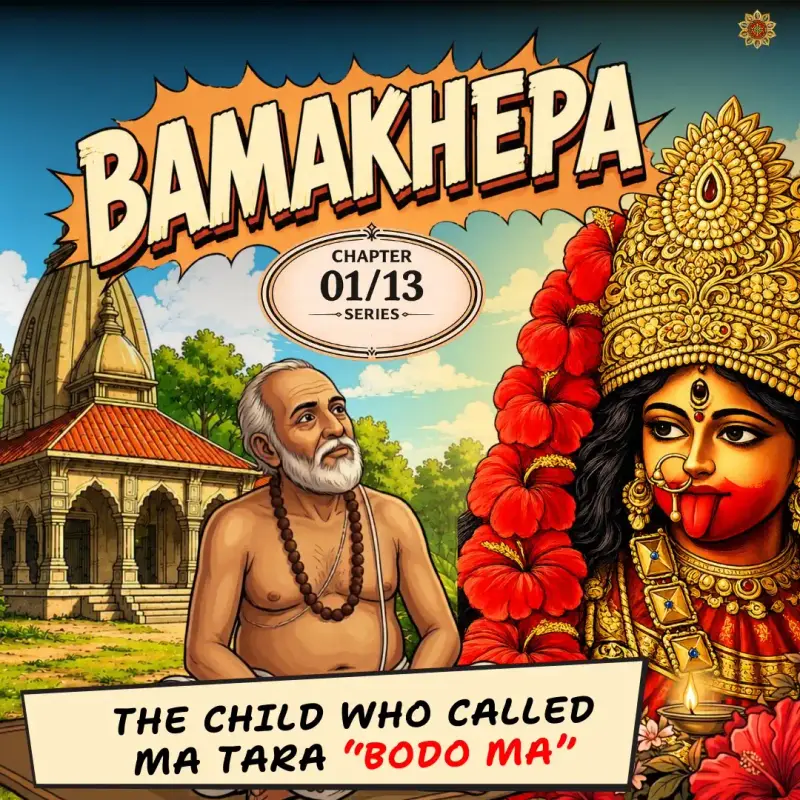
Chapter 1: The Child Who Called Ma Tara “Bodo Ma”
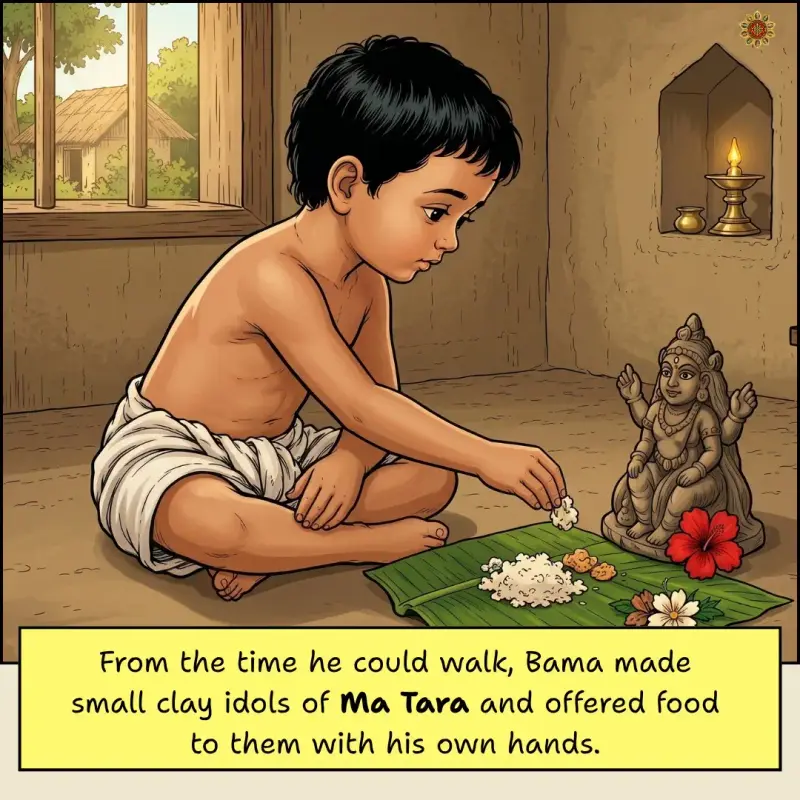
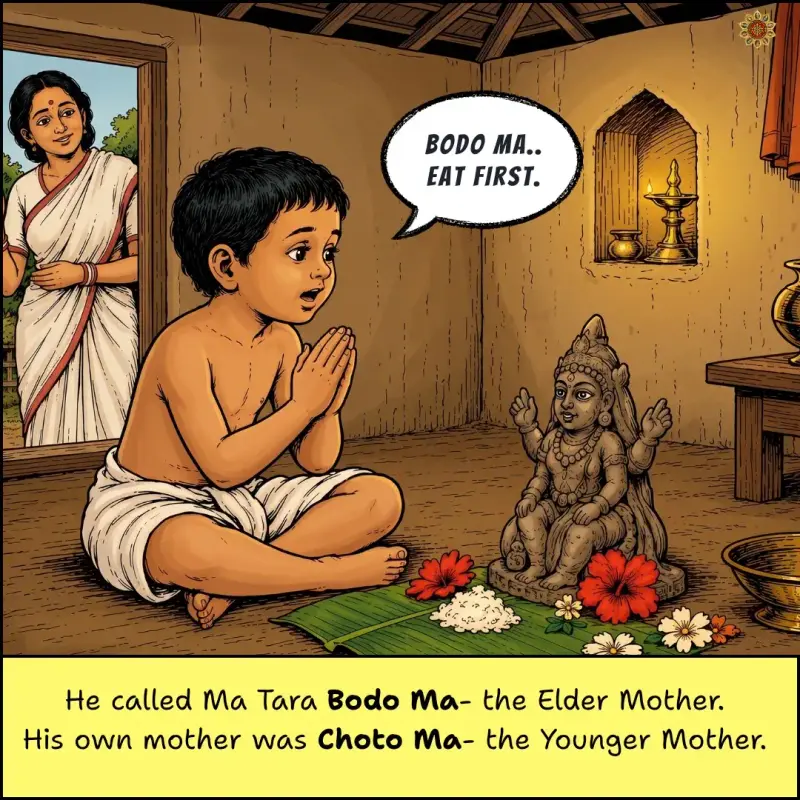



Chapter 2: Kailashpati Baba
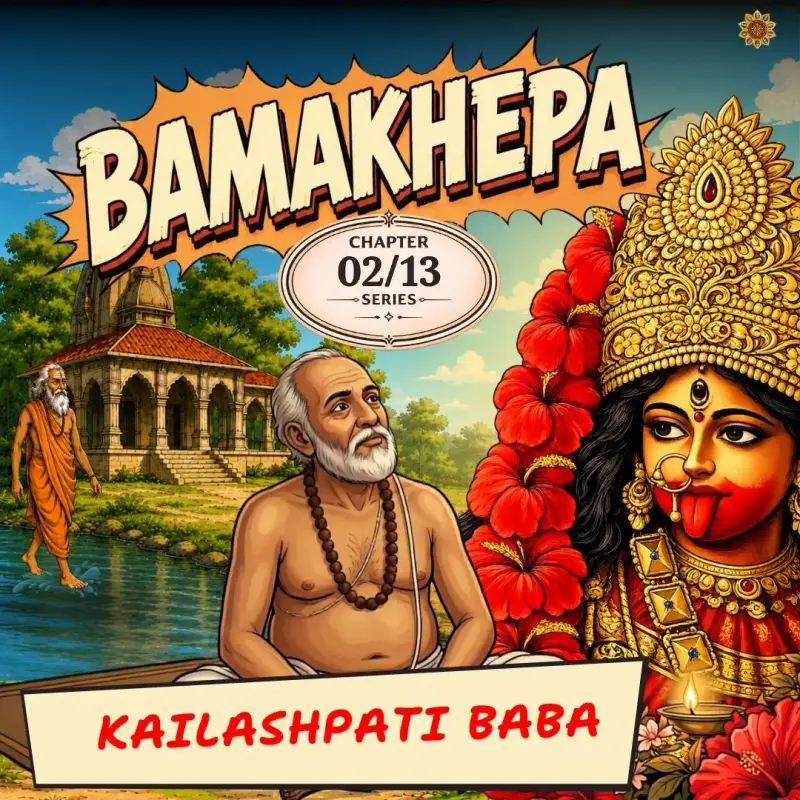
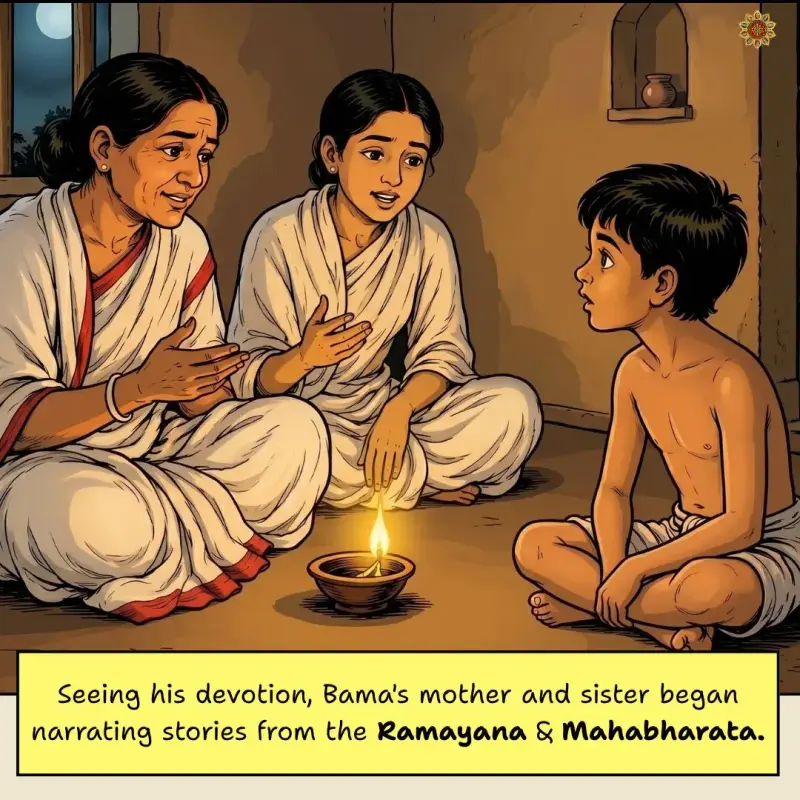

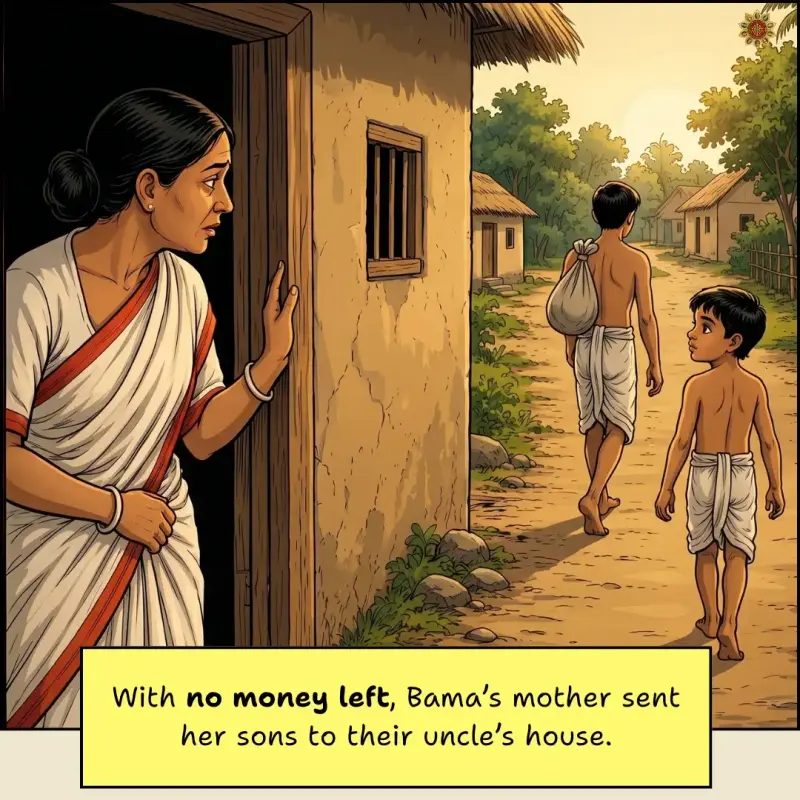



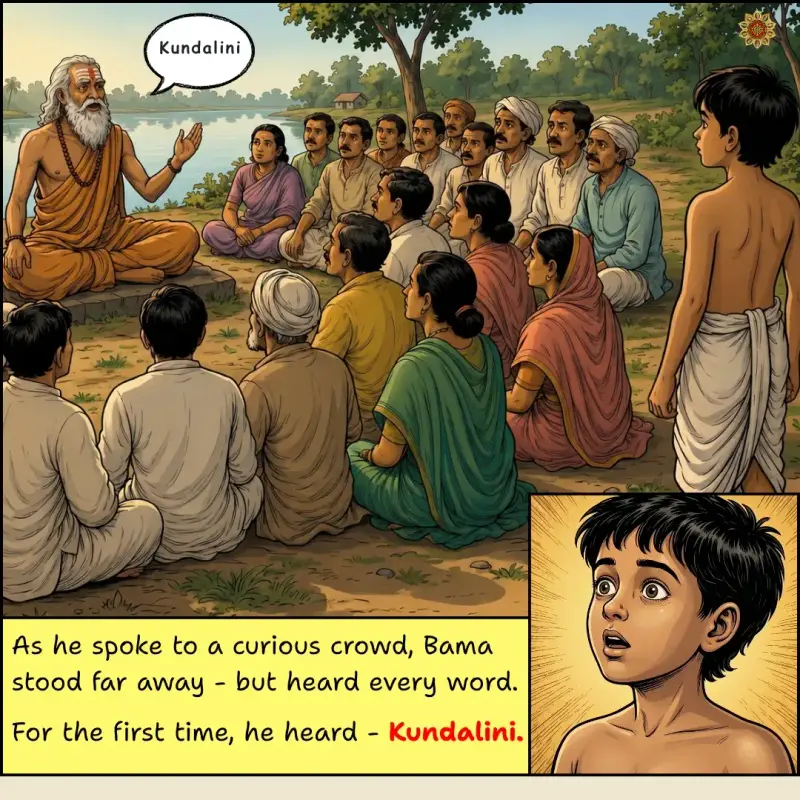
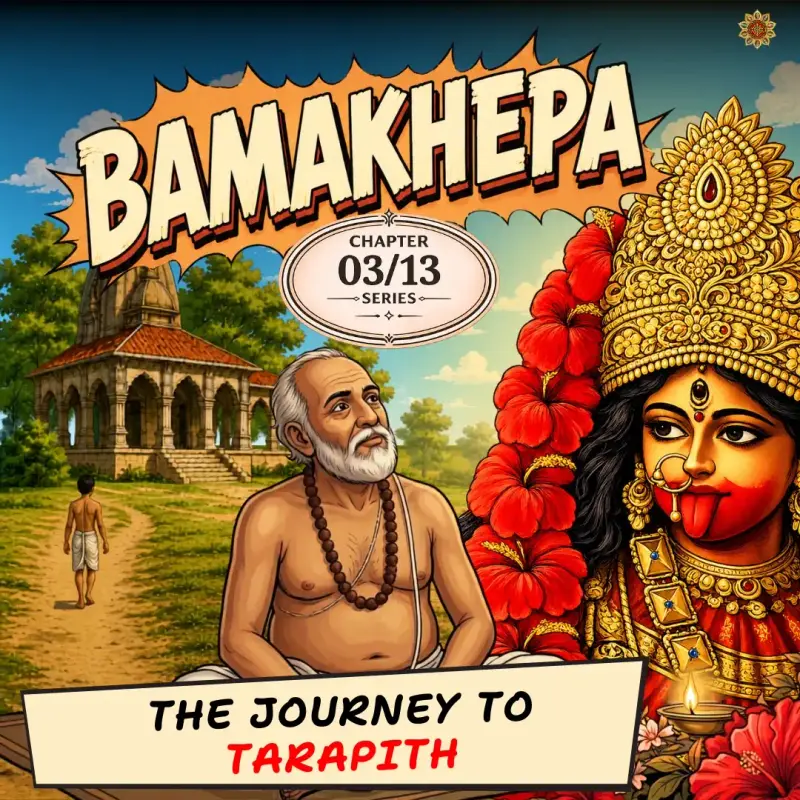
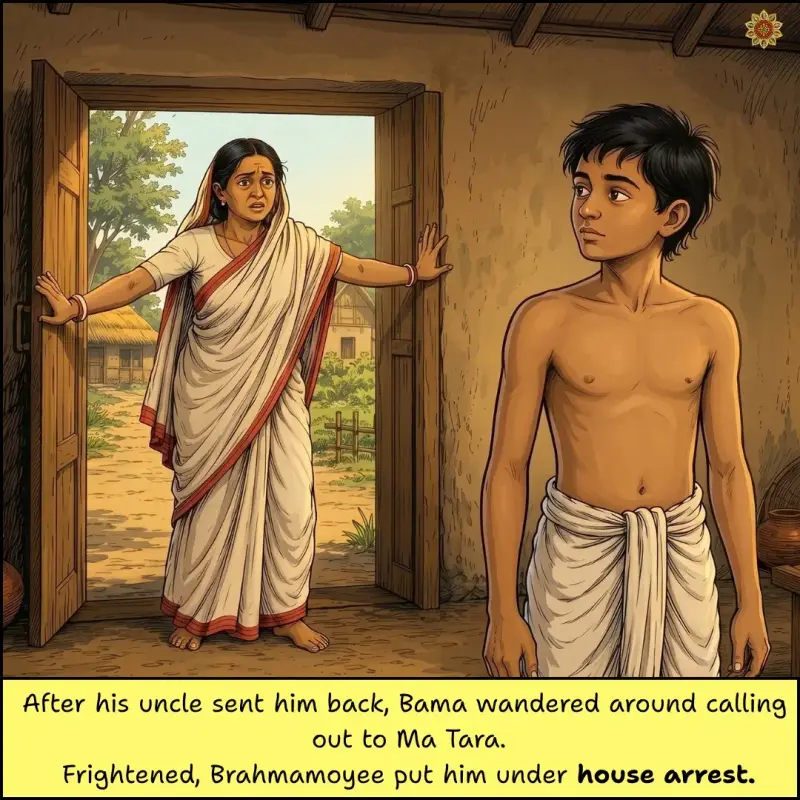
Chapter 3: The Journey to Tarapith
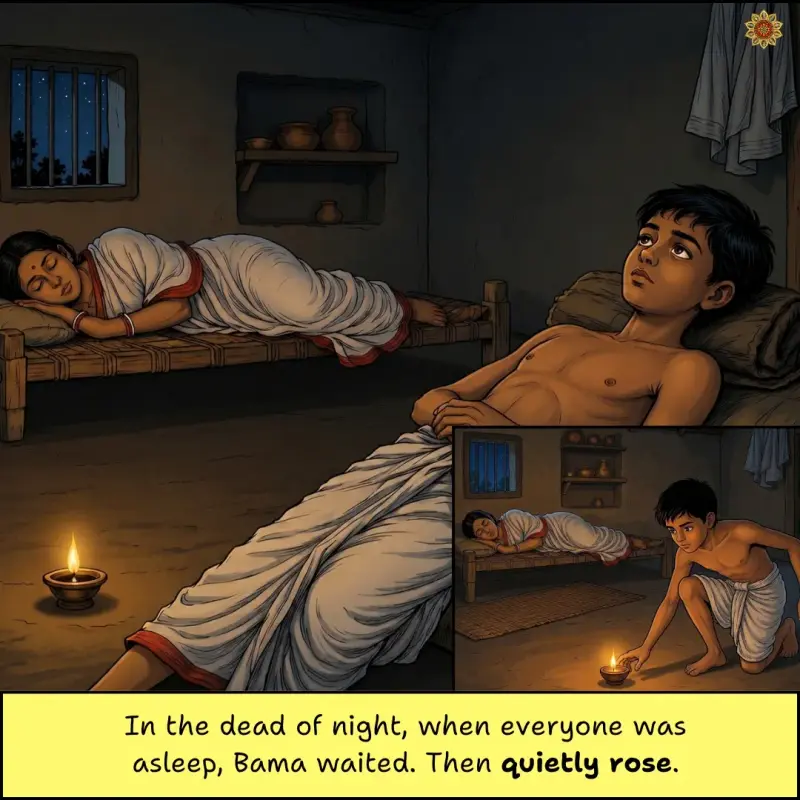

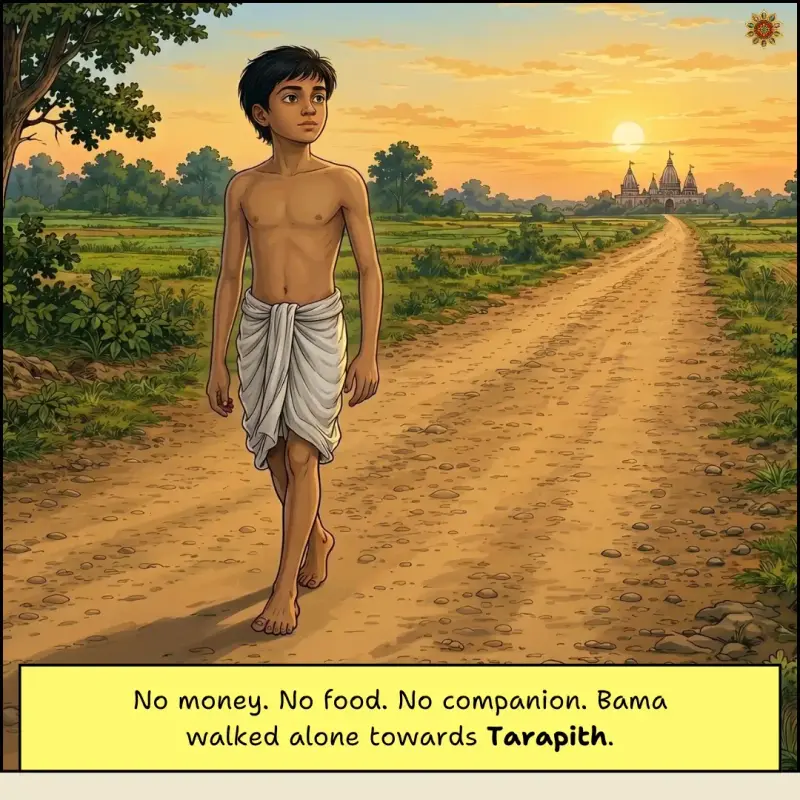
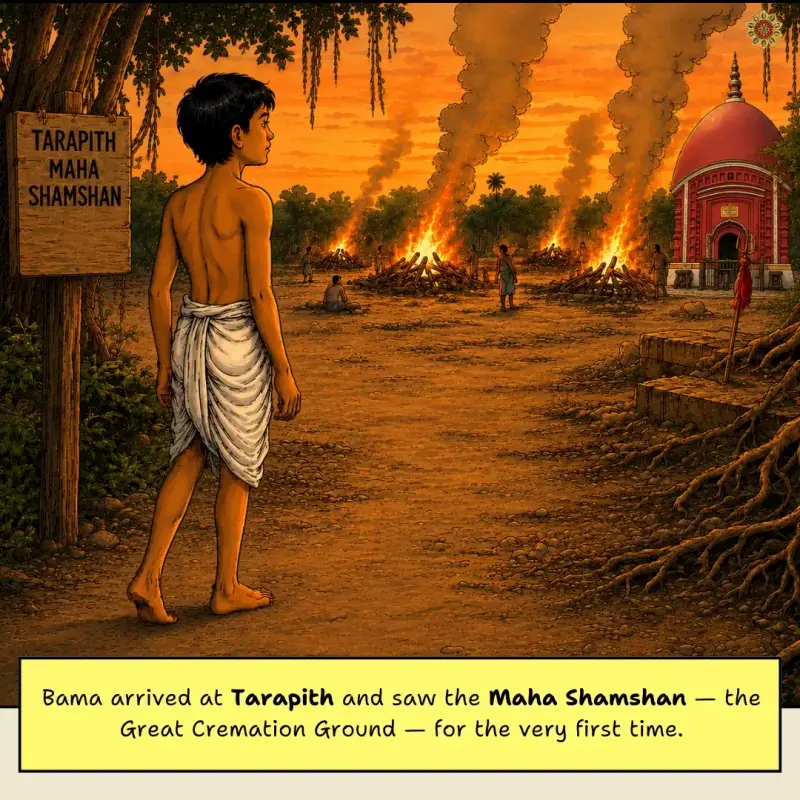
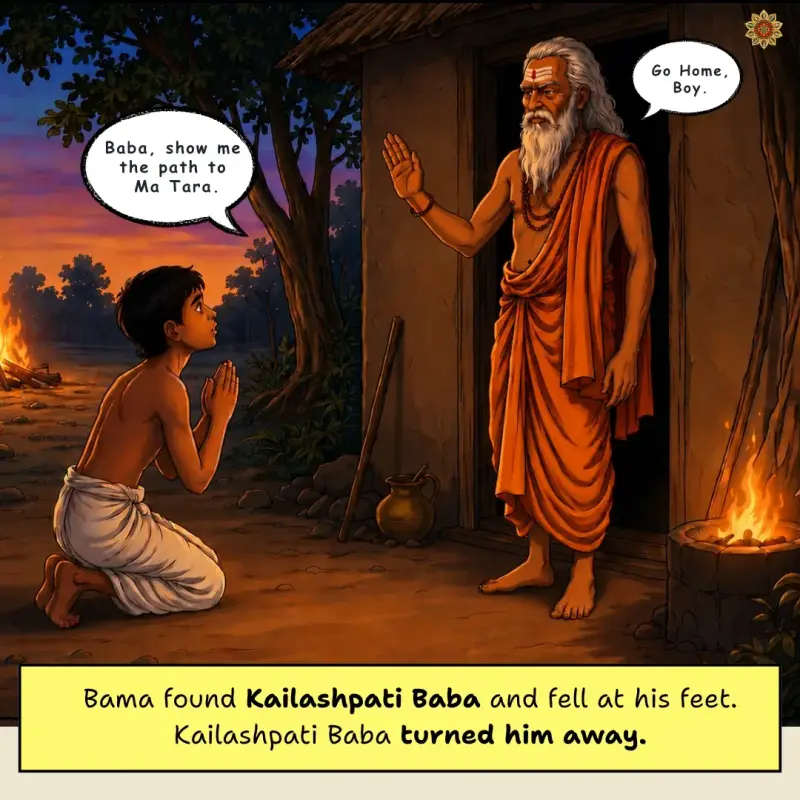

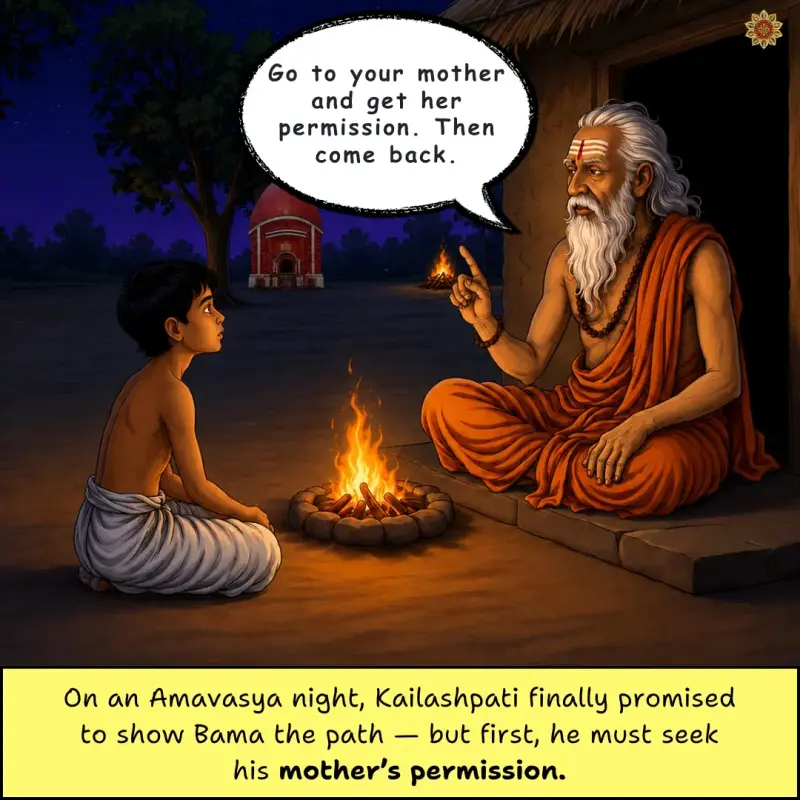
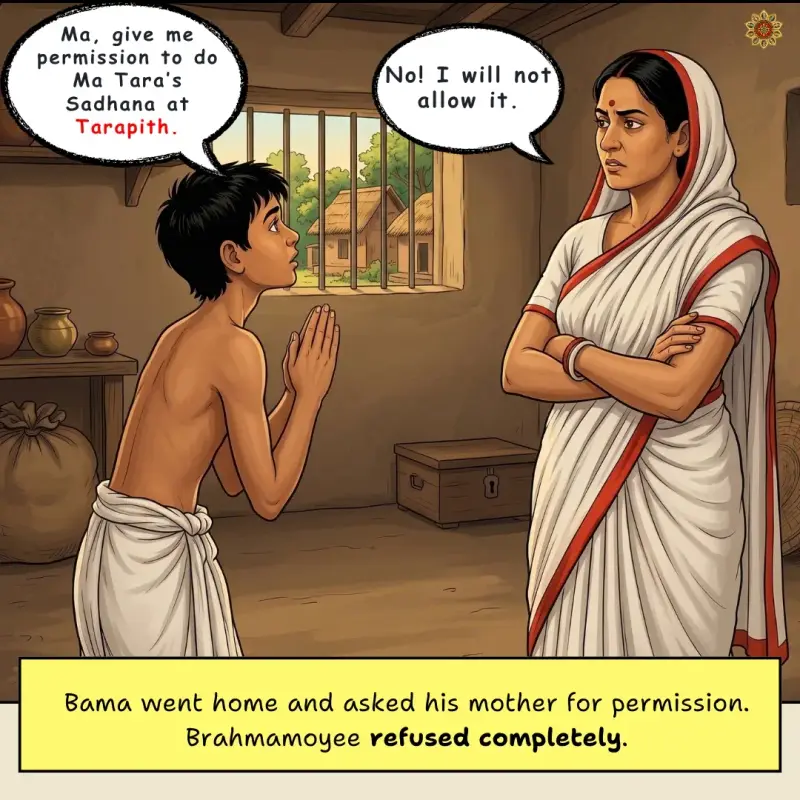
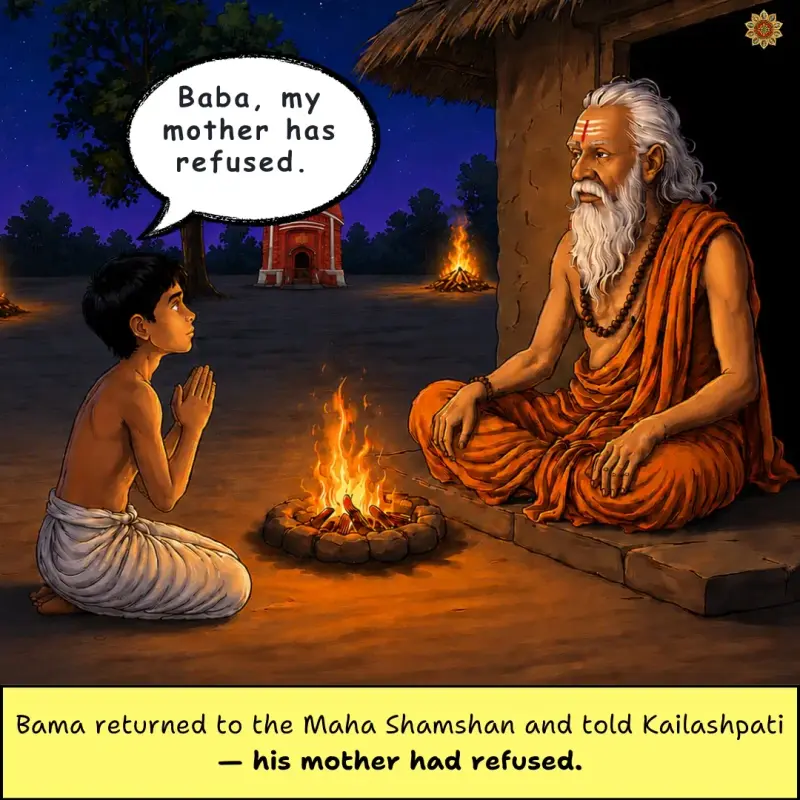
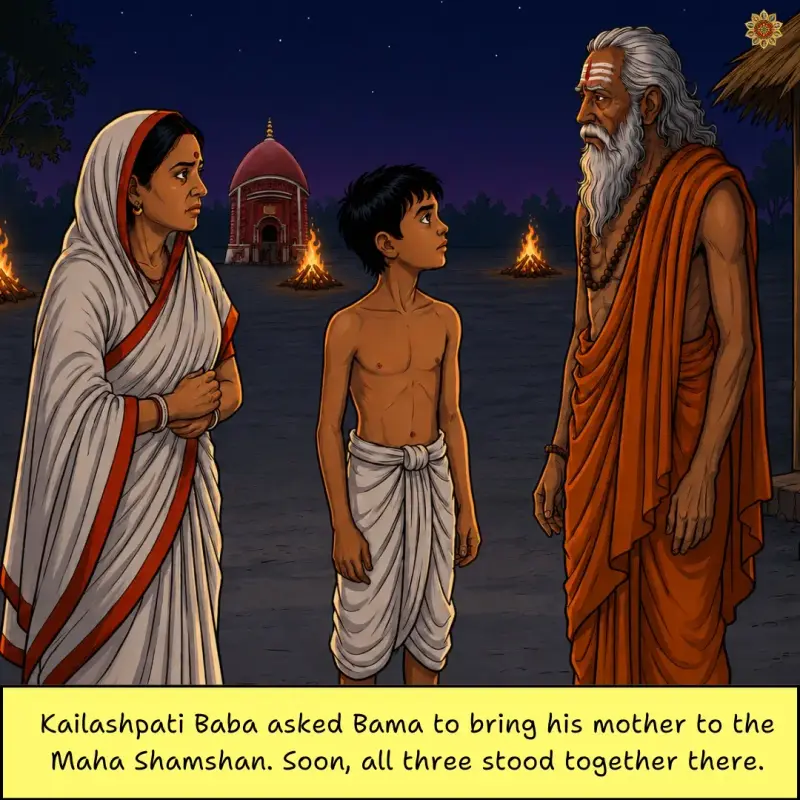
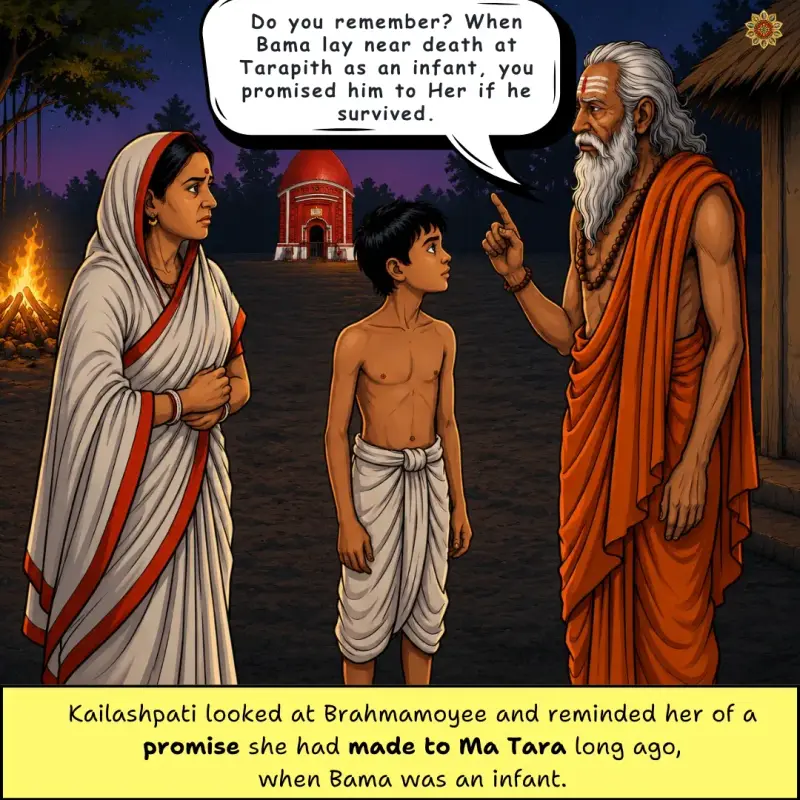
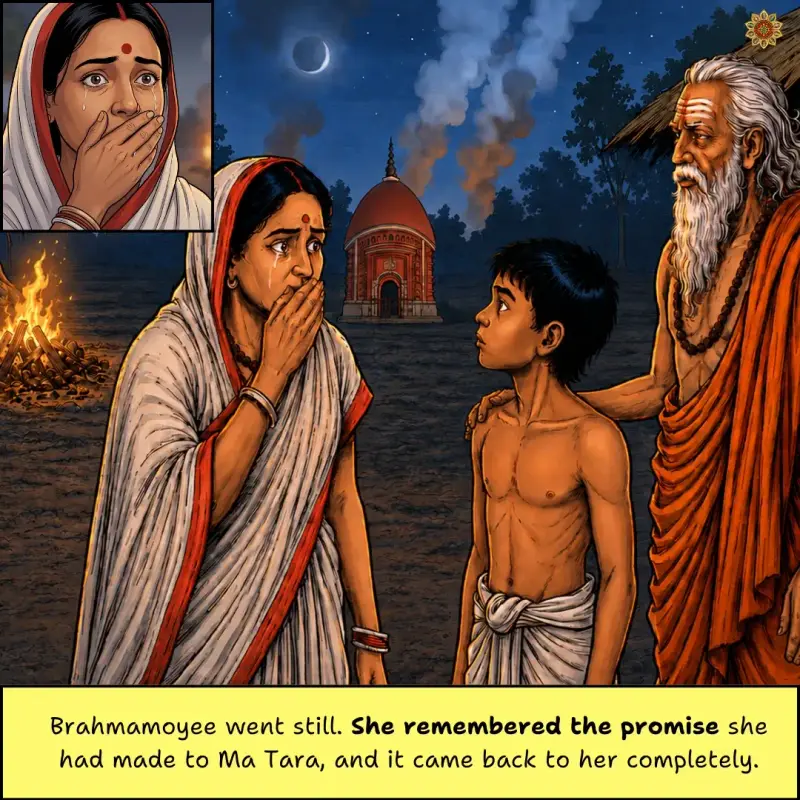
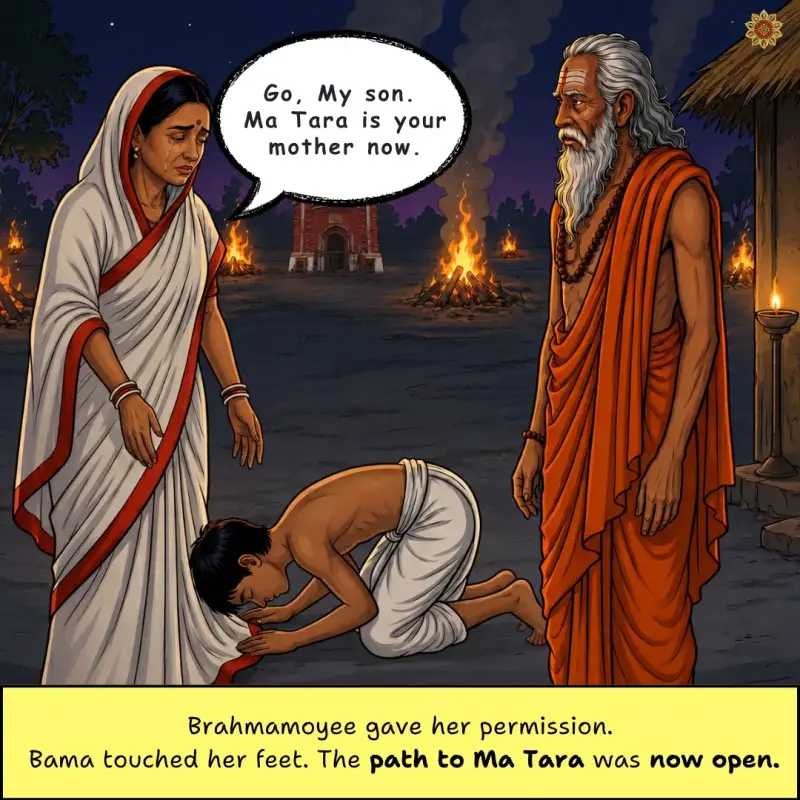
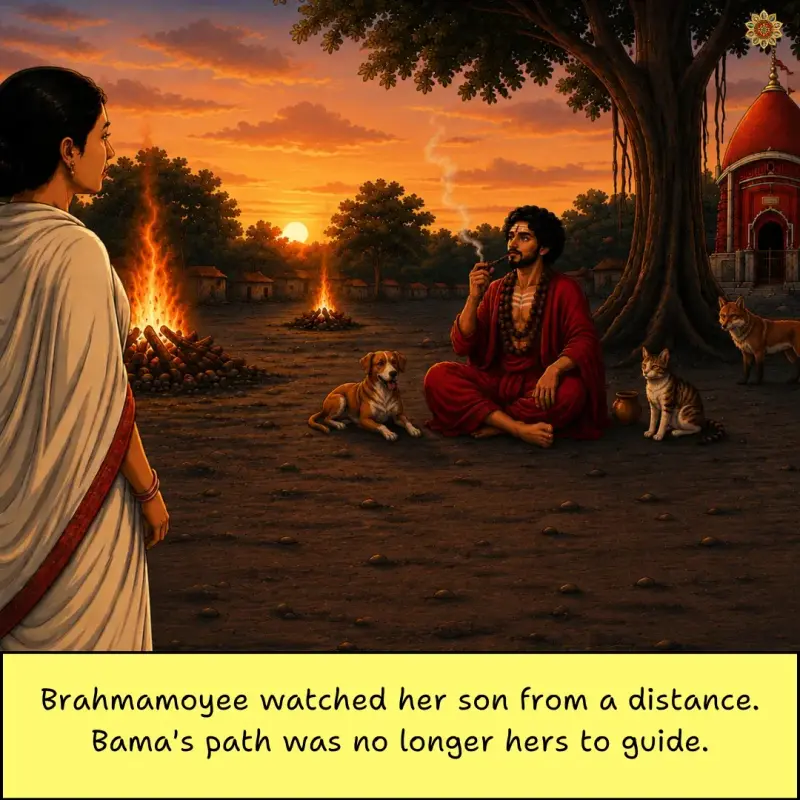
Chapter 4: A Mother’s Promise

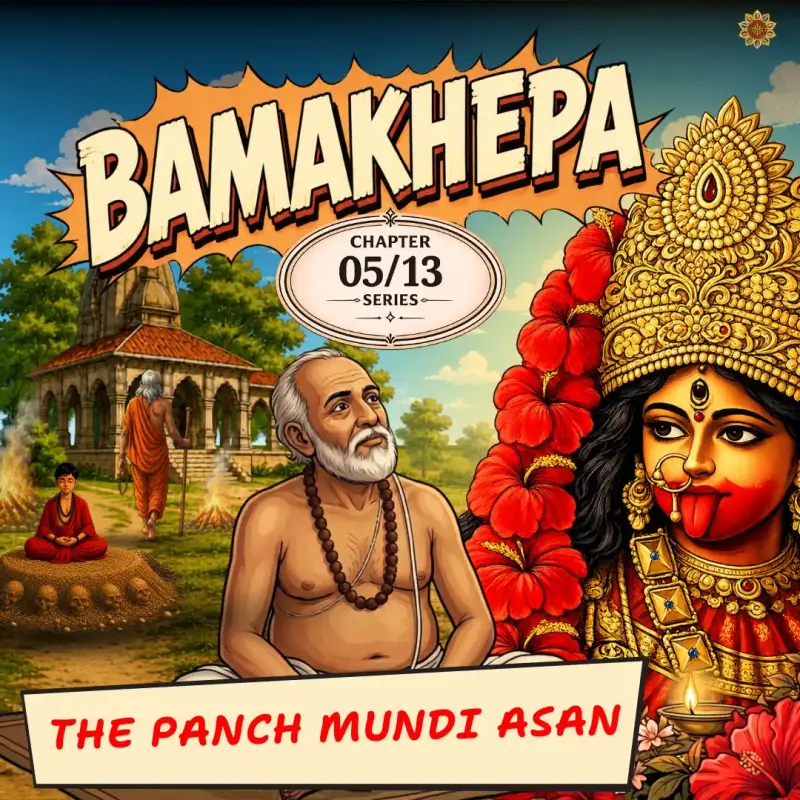
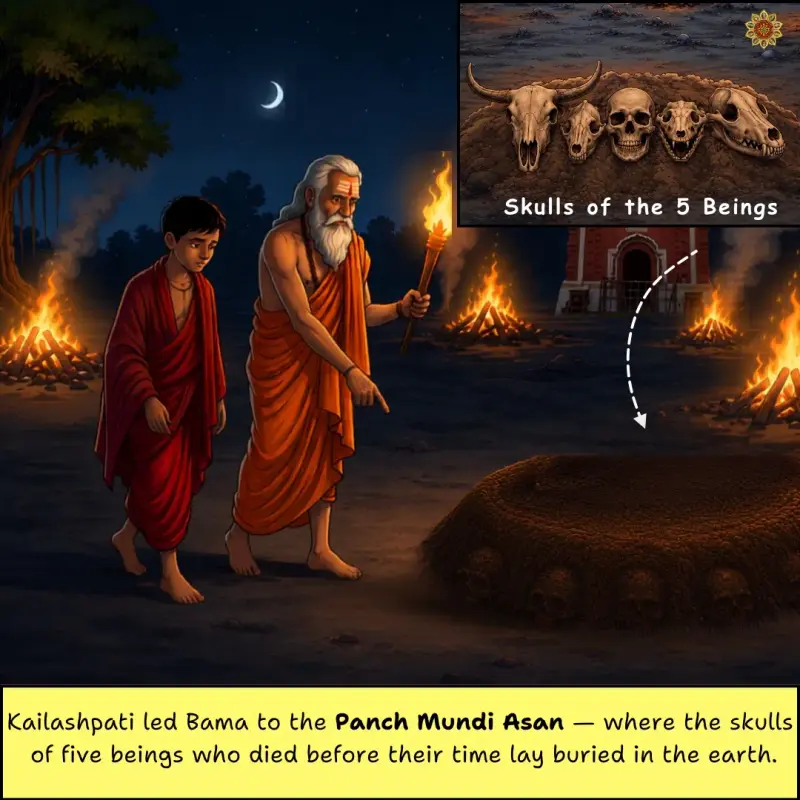
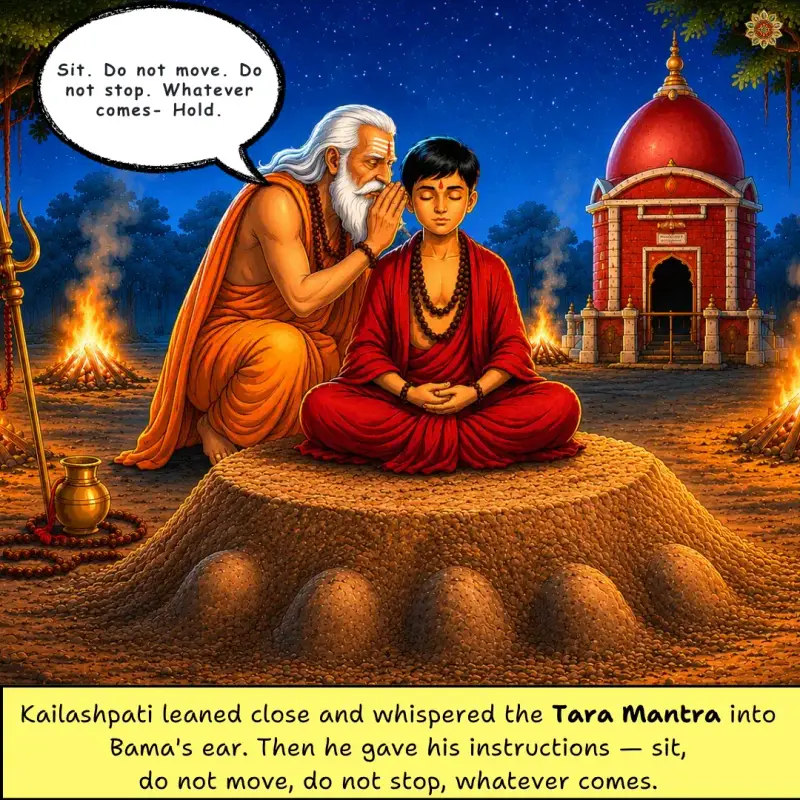
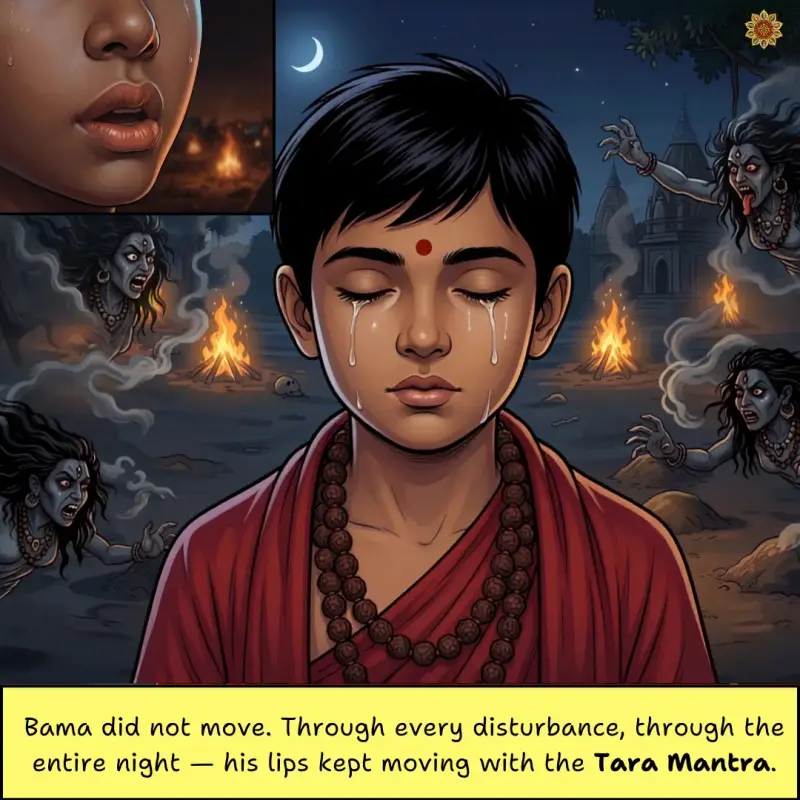
Chapter 5: The Panch Mundi Asan


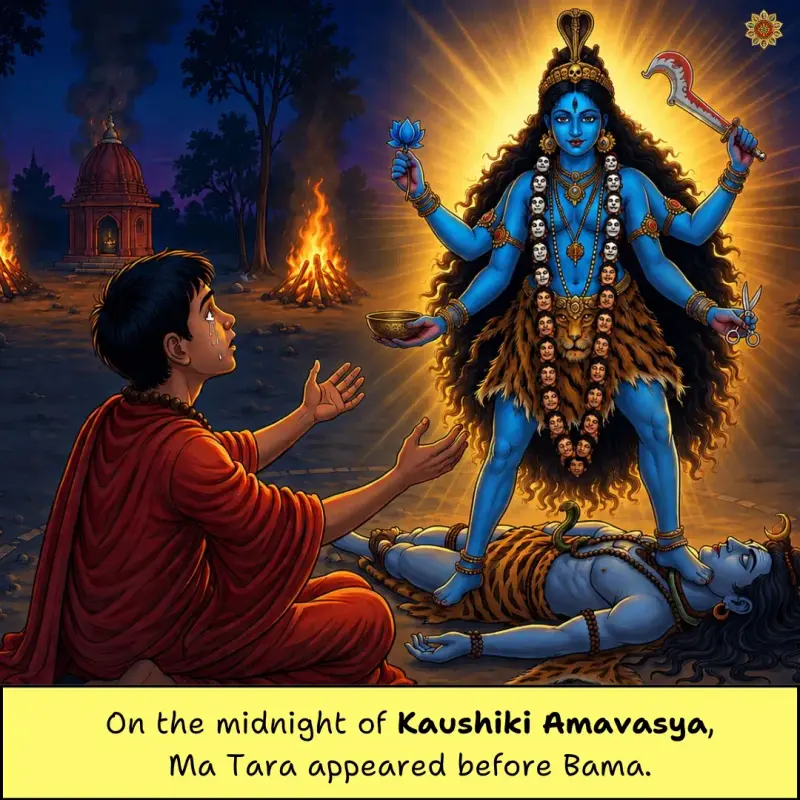
Chapter 6: Bama’s True Home

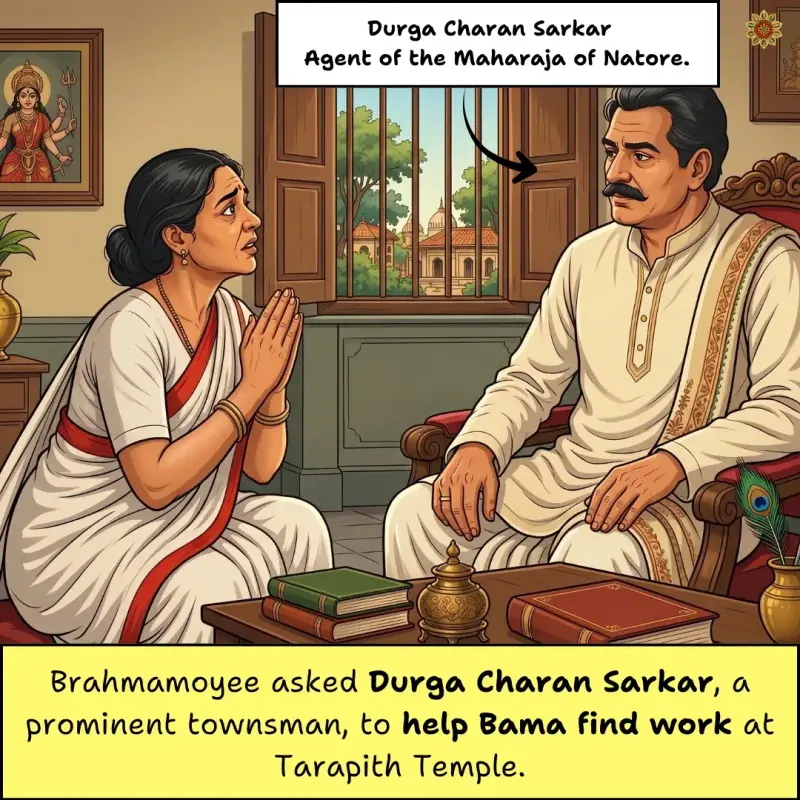
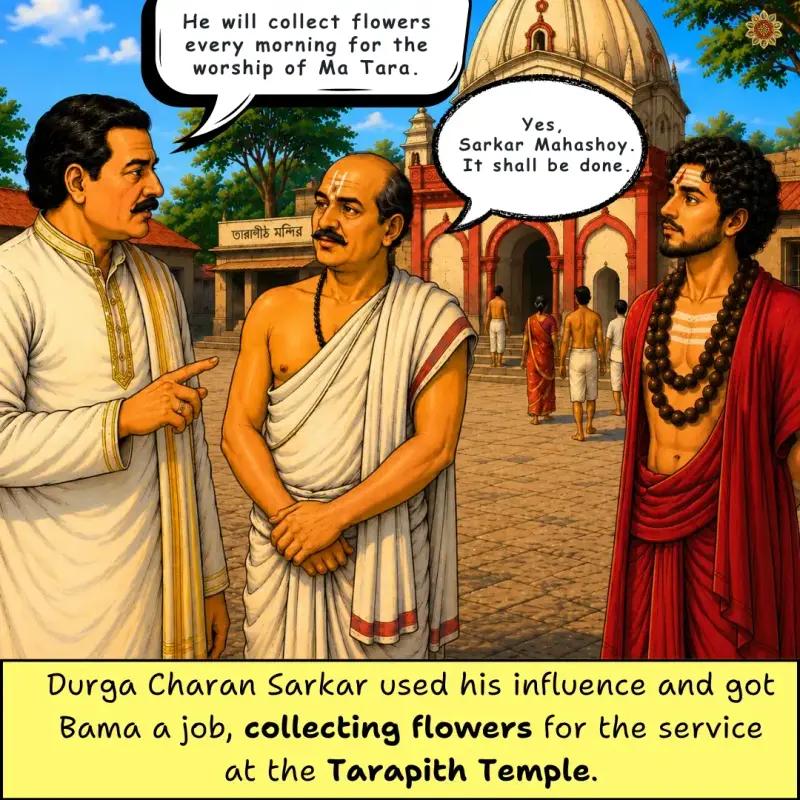
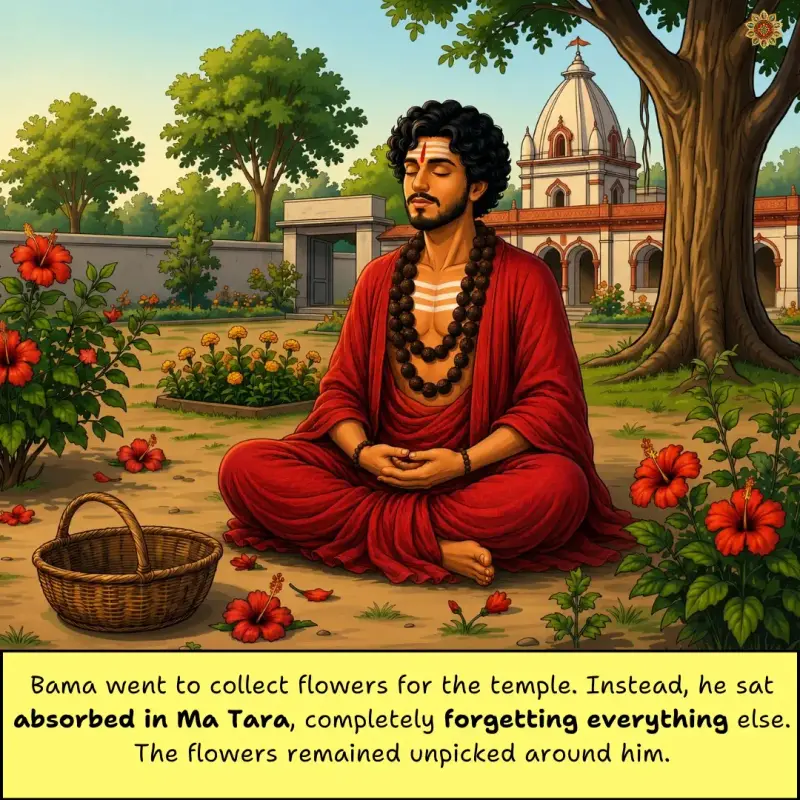

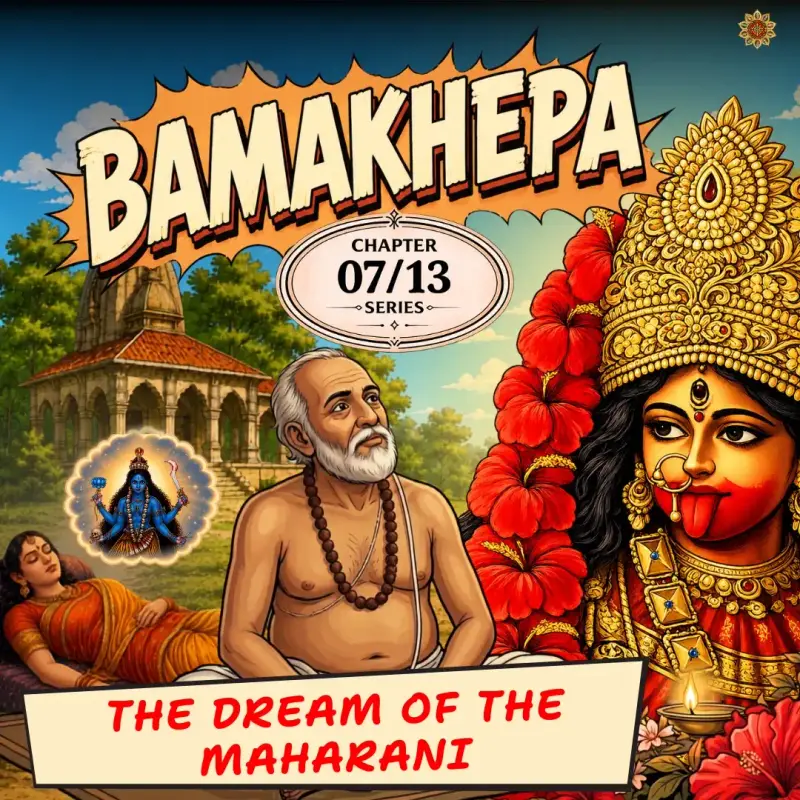
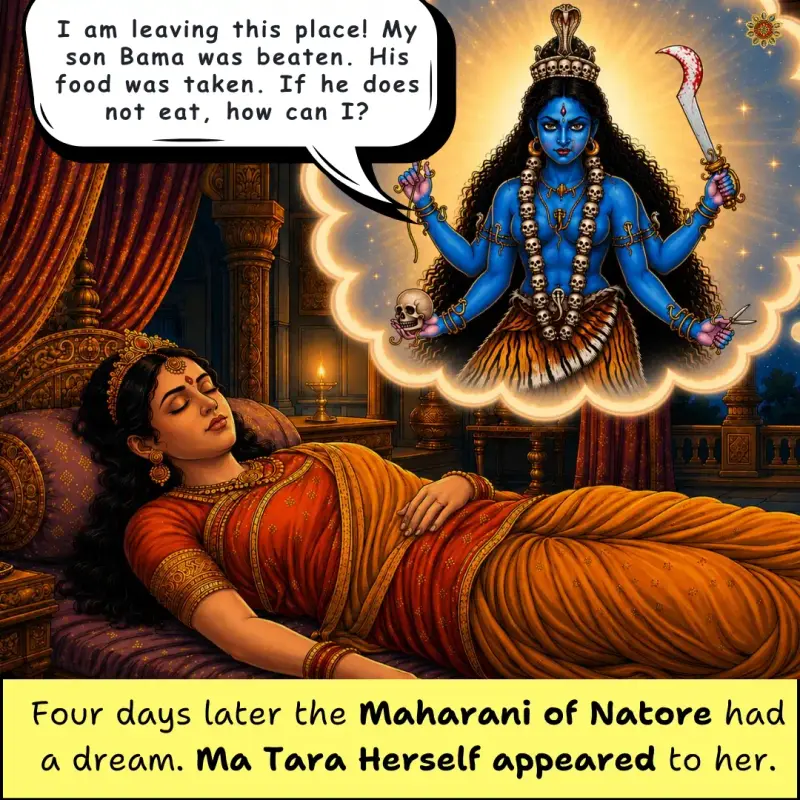
Chapter 7: The Dream of Maharani



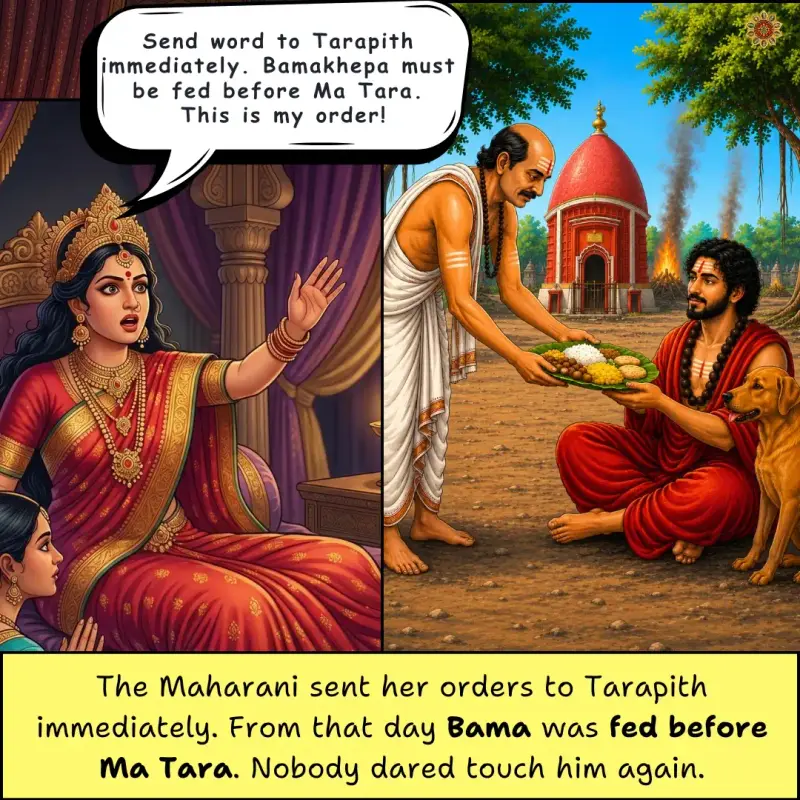
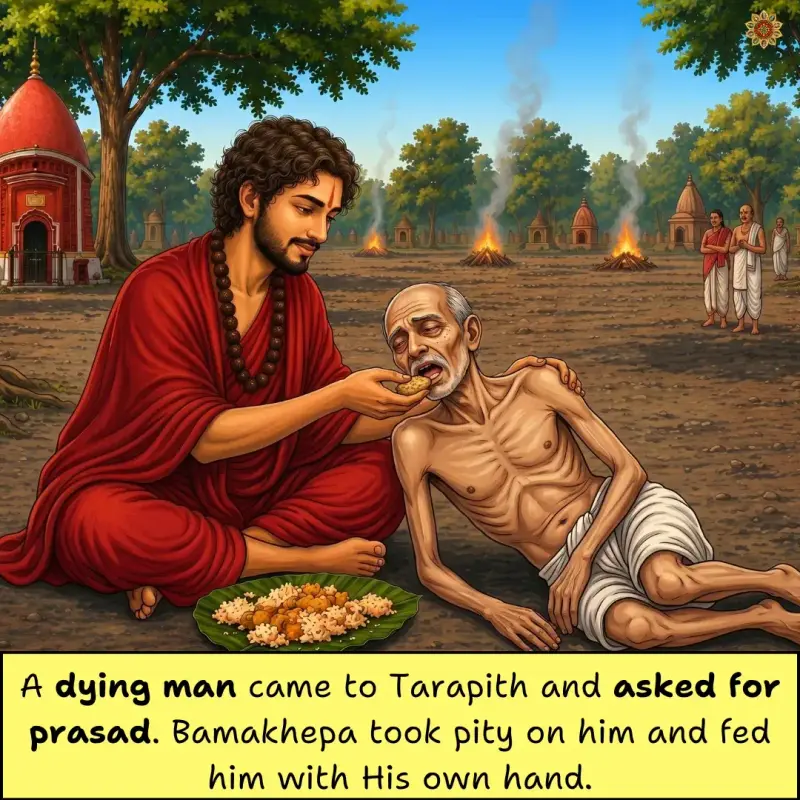
Chapter 8: The Healings — Part 1
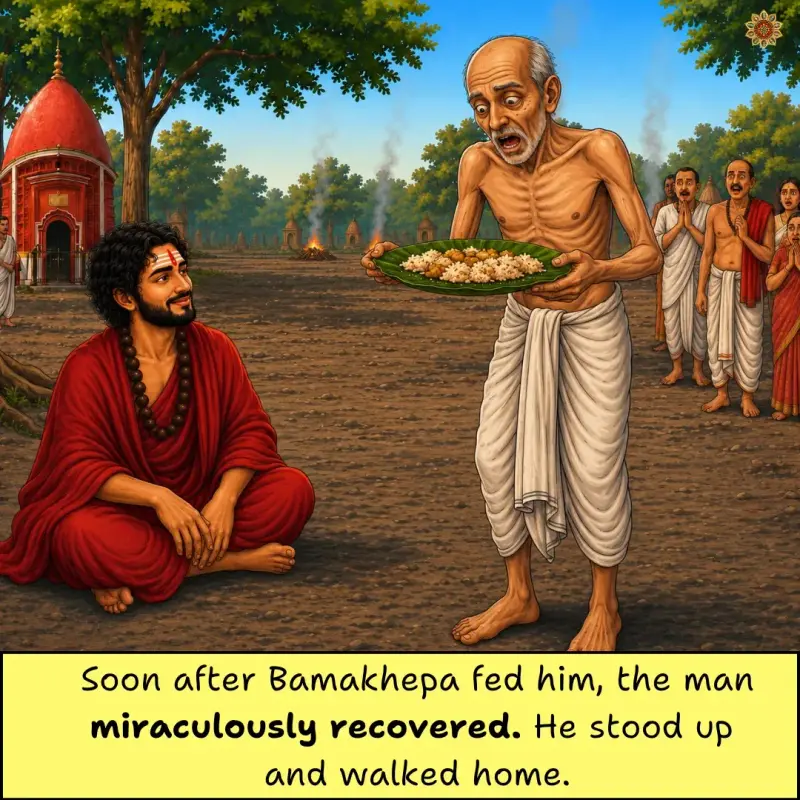
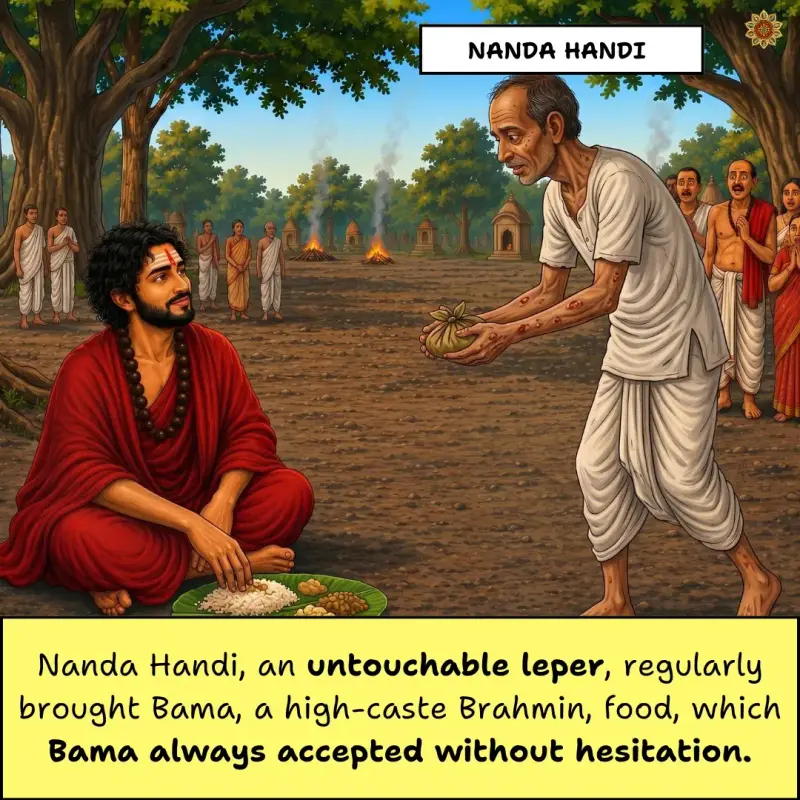

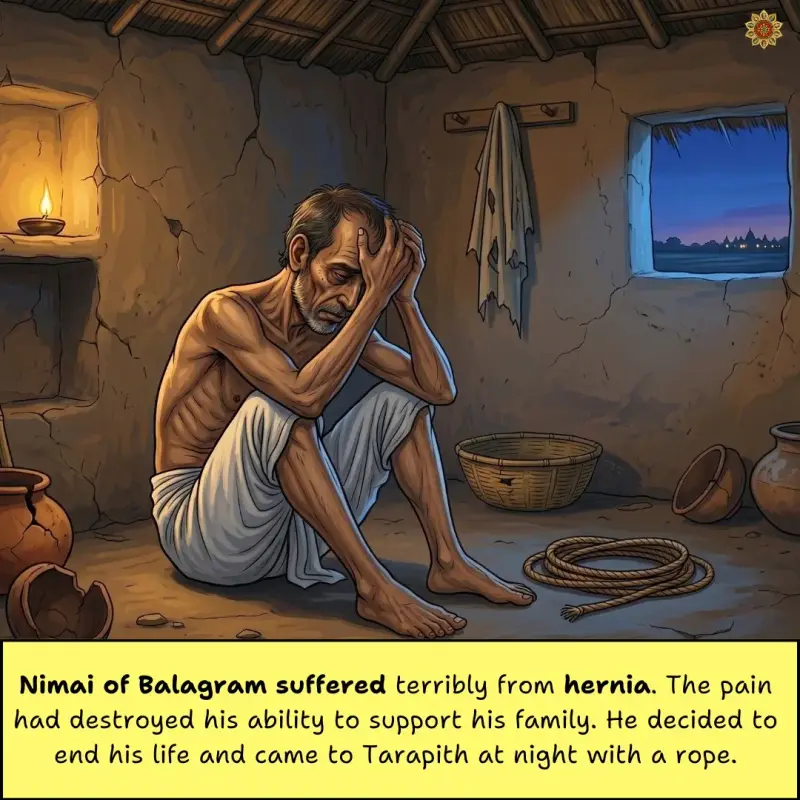
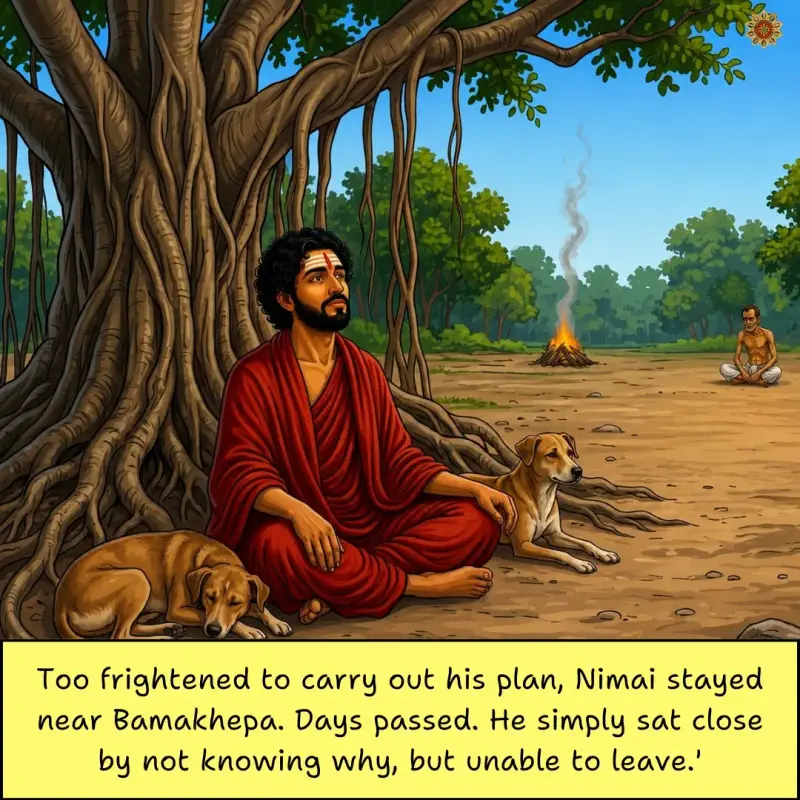

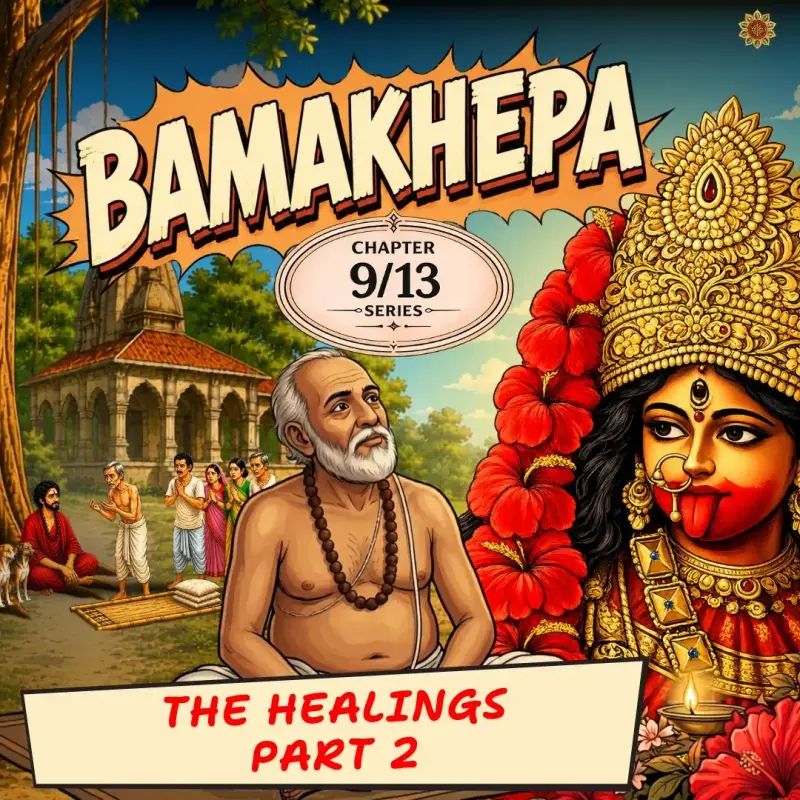
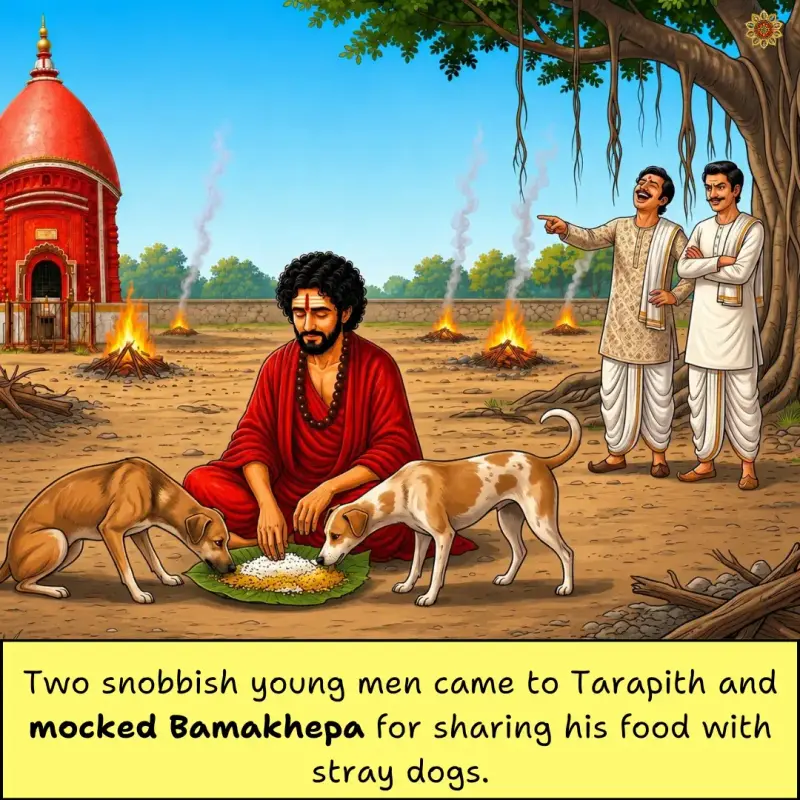
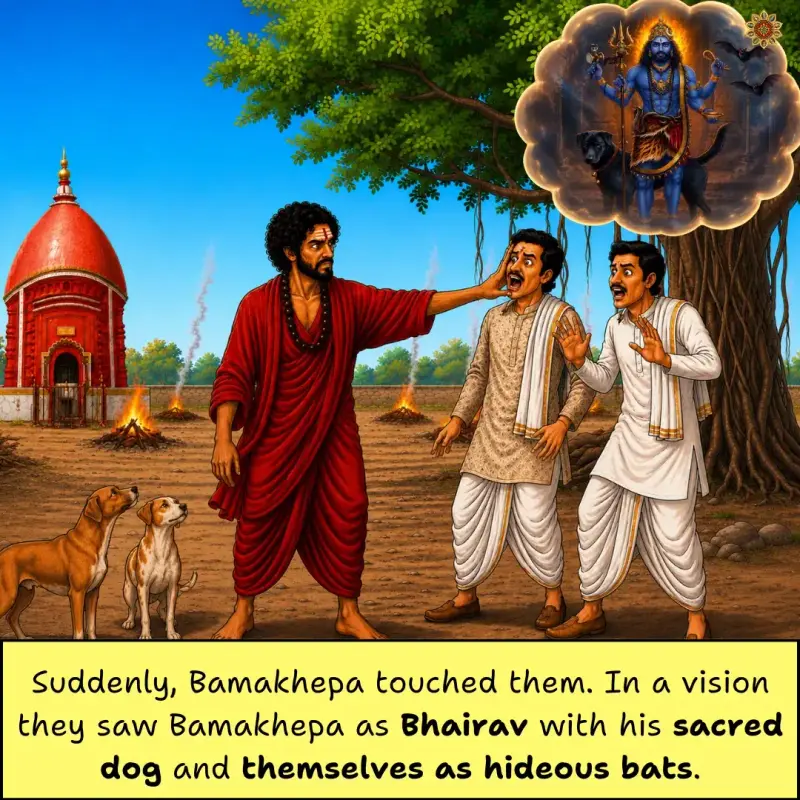
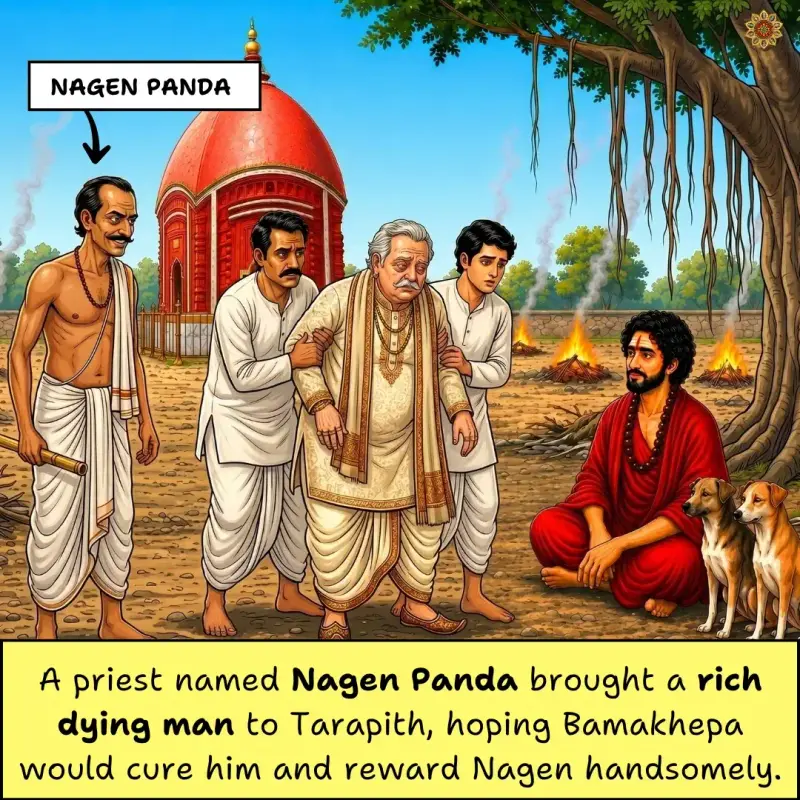
Chapter 9: The Healings — Part 2



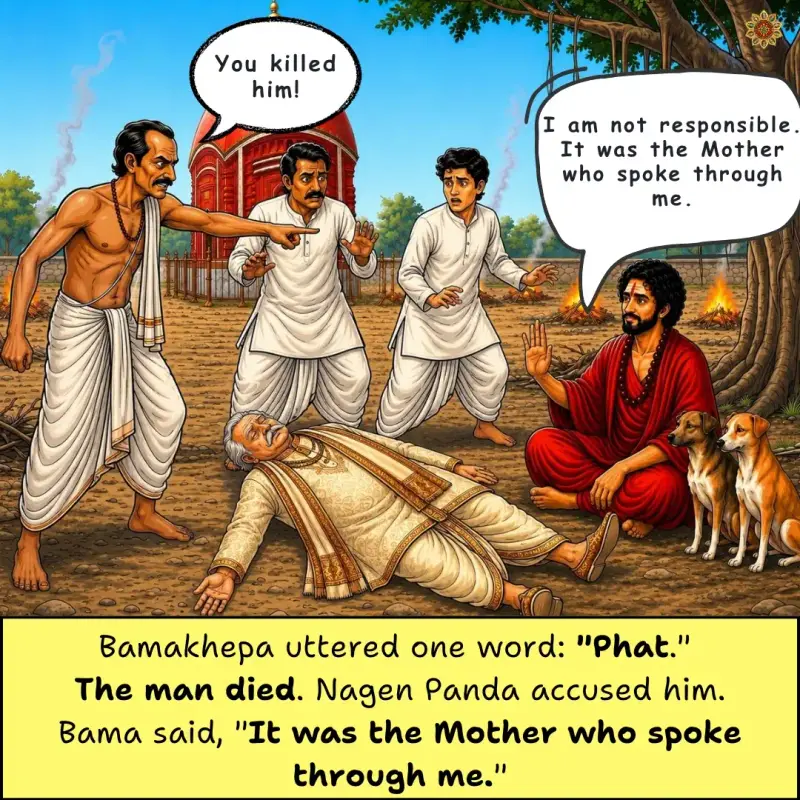
Chapter 10: The Servant of the People
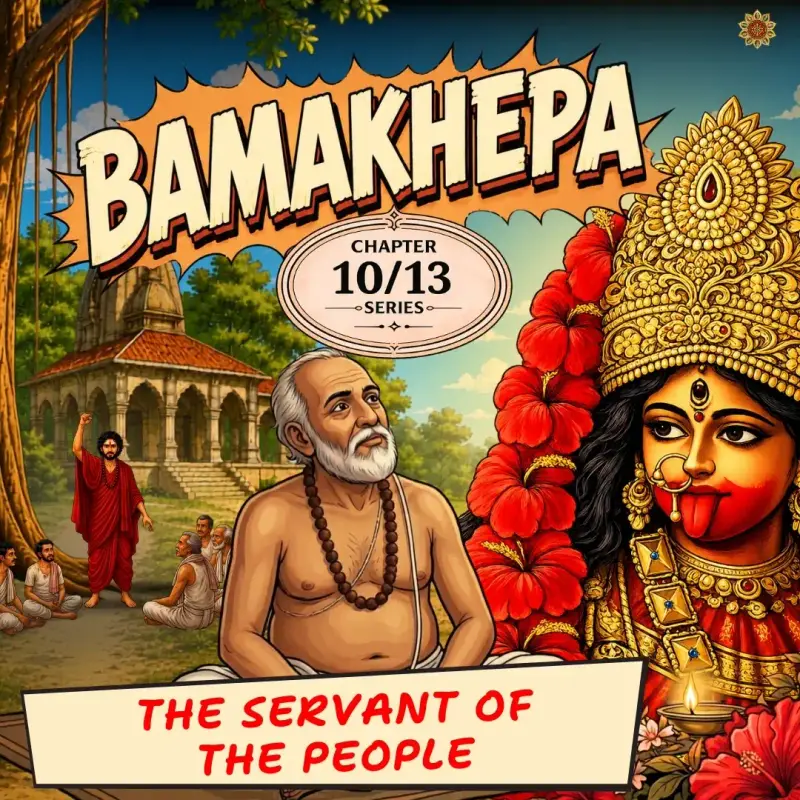
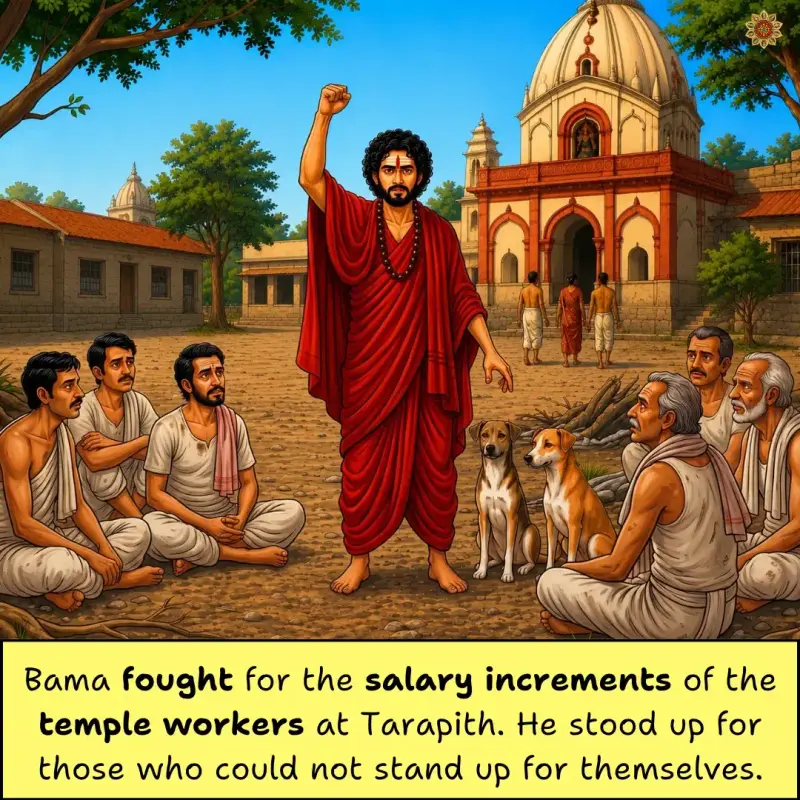




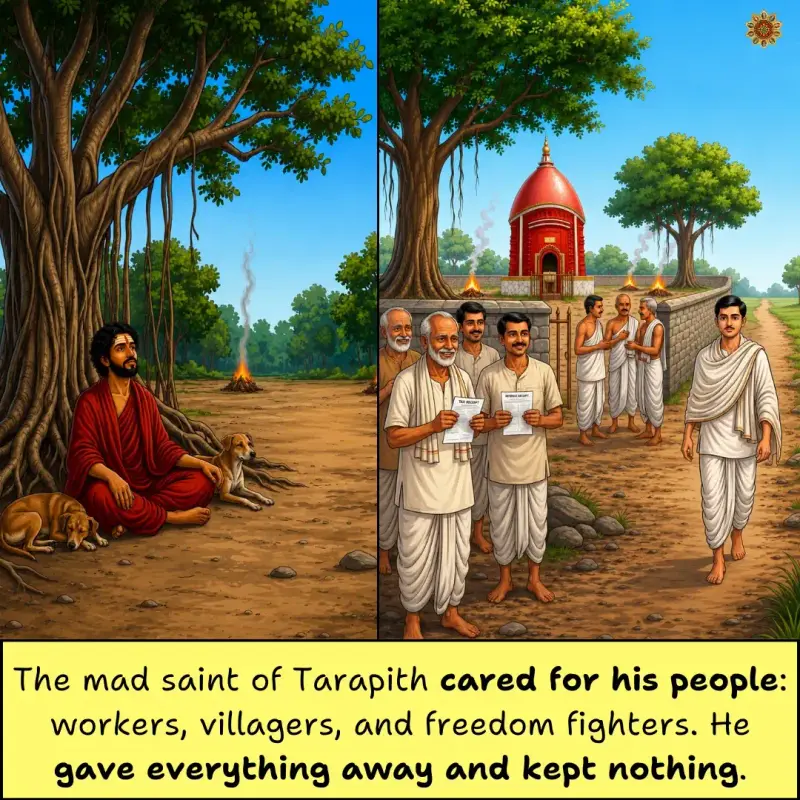

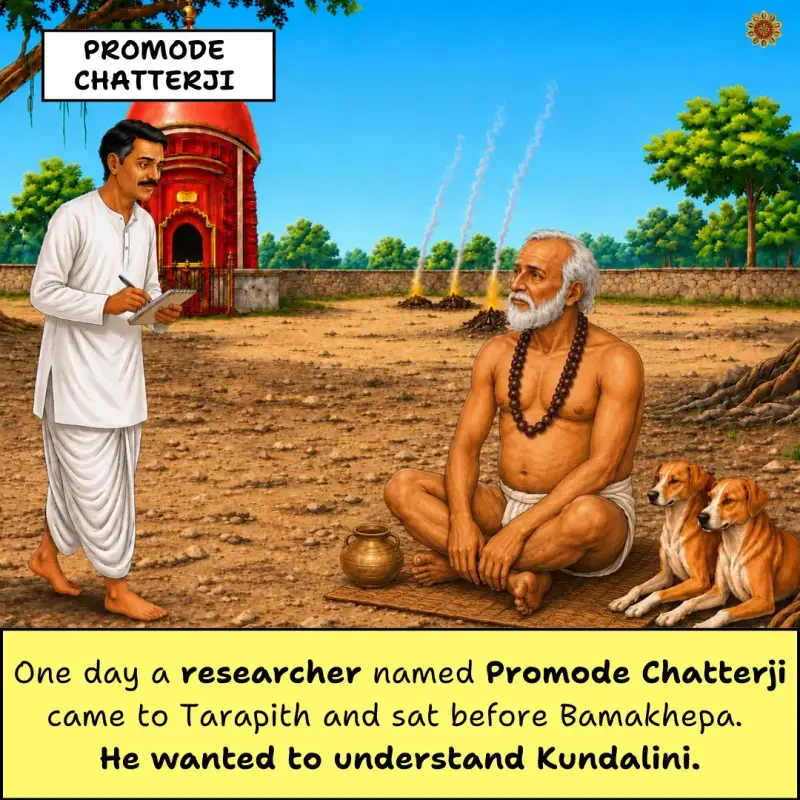
Chapter 11: The Kundalini Teaching






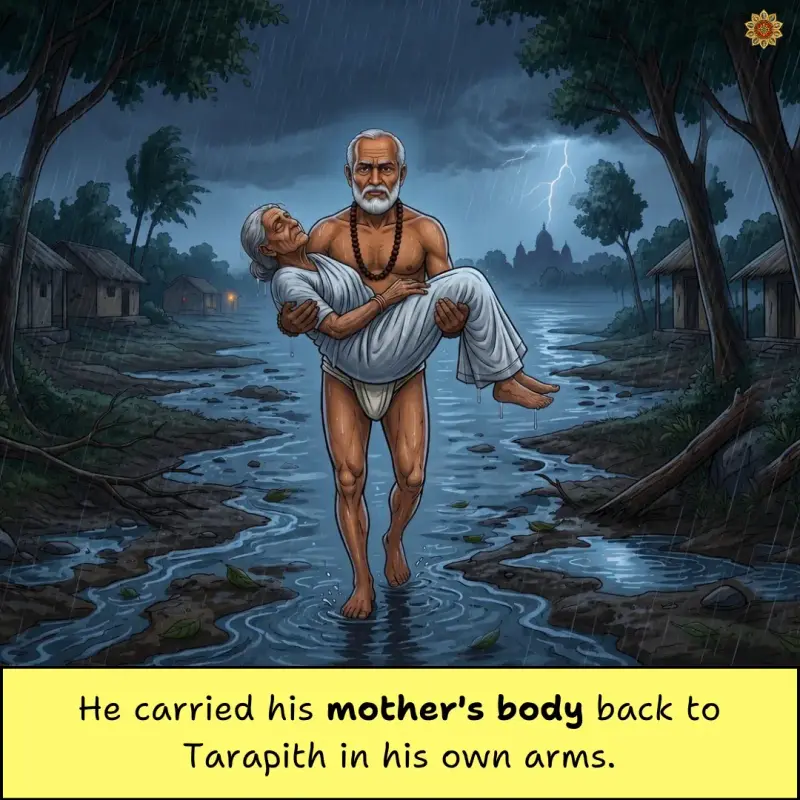
Chapter 12: The Mother's Funeral



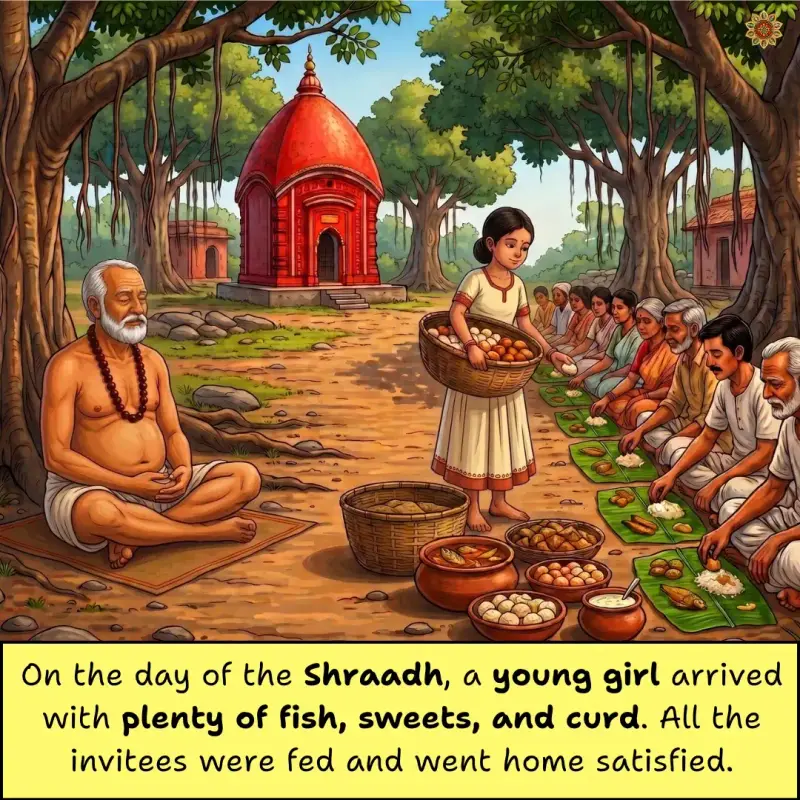
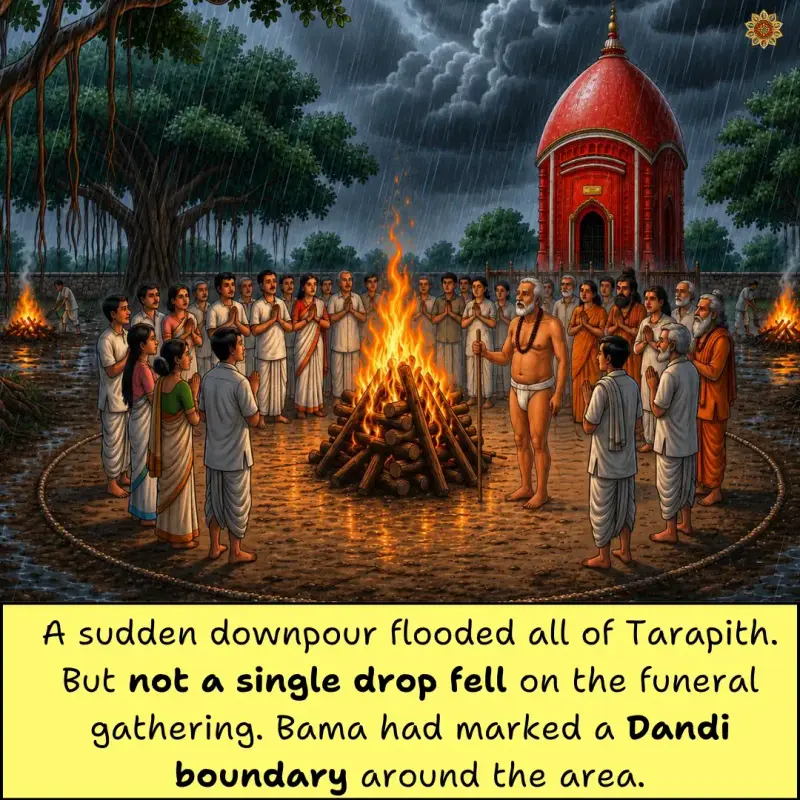

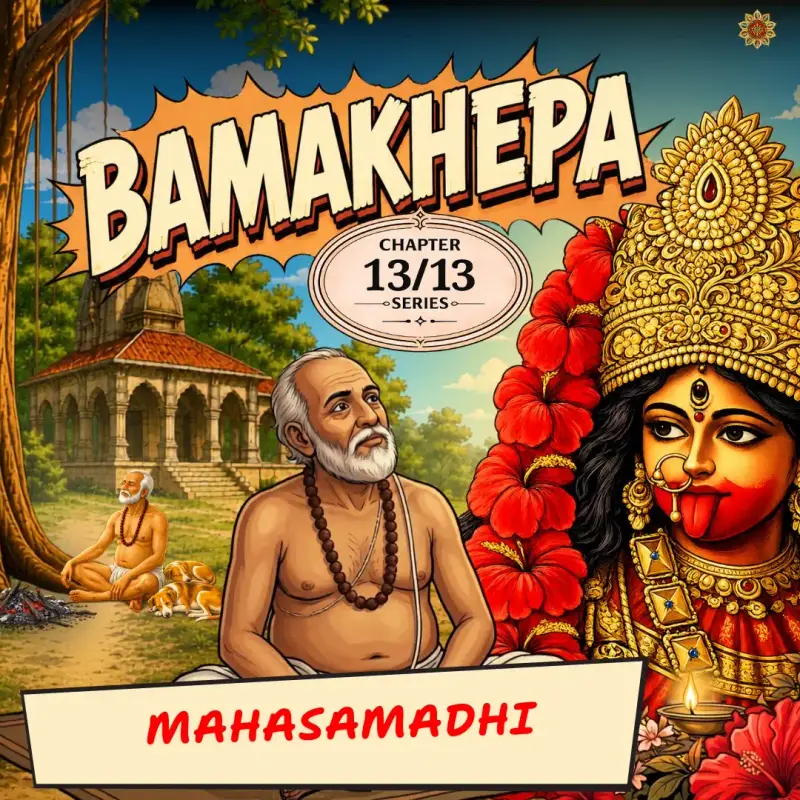
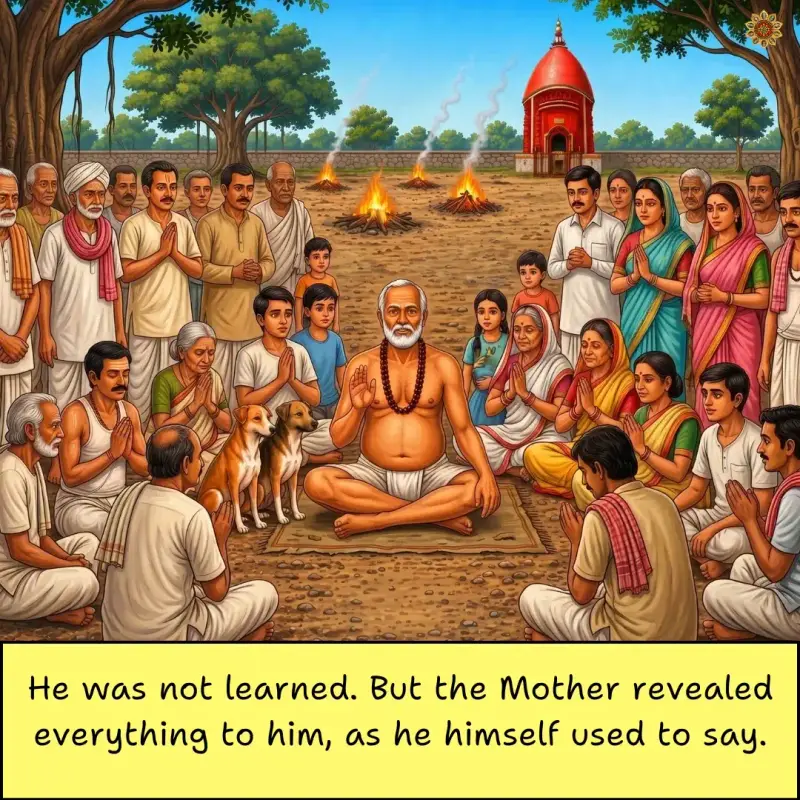
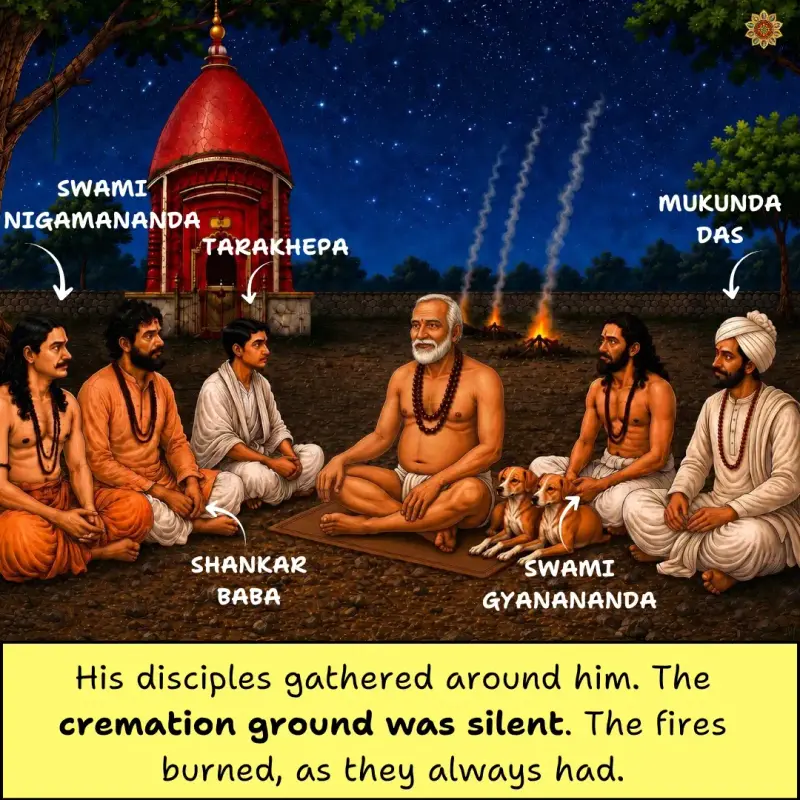
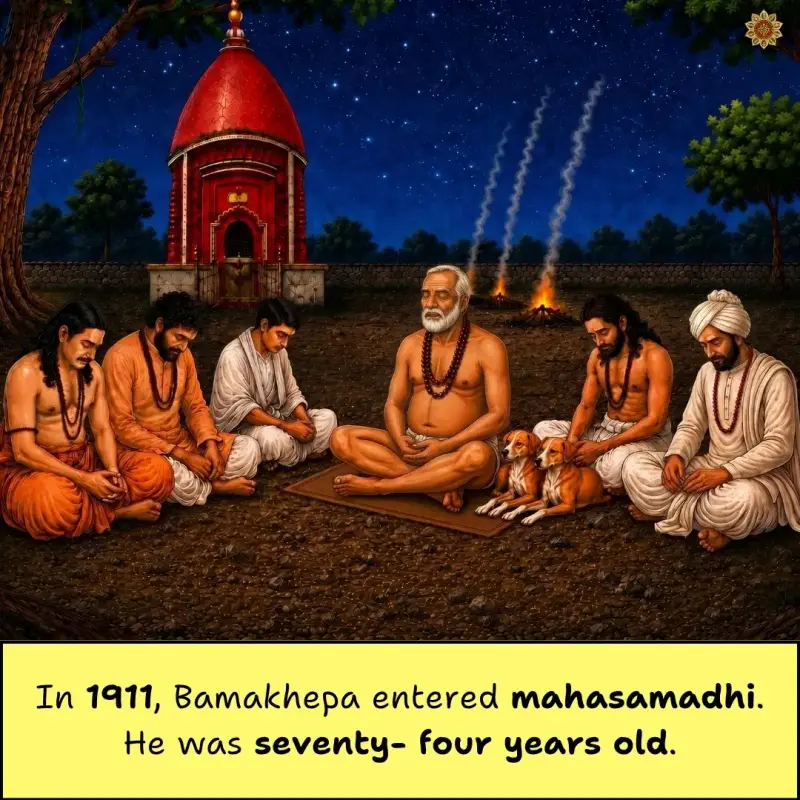
Chapter 13: Mahasamadhi


Worshipping Ma Tara Through the Tantra Sadhana App
Tantra Sadhana is a free, ad-free mobile app created by the Himalayan monk, Om Swami, to bring the Tantric worship of the Das Mahavidyas (10 Wisdom Goddesses of Tantra) into the home of every devotee who seeks the grace of the Mother Goddess.
Because the entire app is based on the sacred path of Divyachar, no physical offerings or Puja Samagri are ever needed. The worship is performed mentally, with undivided attention.
The app offers an elaborate journey through 10 virtual worlds dedicated to the 10 Mahavidyas, from Ma Kali to Ma Kamalatmika. Sadhaks complete rituals such as Tantric Mantra Jap, Yagna, and esoteric Sadhana to awaken each of them sequentially.
As all the rituals have been mastered by Om Swami and coded as per His instructions into the app, there remains no room for making any error and no requirement for a personal Guru to complete the app journey.
Maa Tara, the Goddess of Tarapith, primarily worshipped by Sri Bamakhepa, is the 2nd of the Das Mahavidyas. Users of the app perform Her Shmashan Sadhana in World 2 to awaken Her Grace through Her most preferred method of worship—Tantra in the cremation ground.
Start walking towards Her today, without leaving your home.