Magh Gupt Navratri 2027: Significance, Rituals, Dates & Timings
In this article, you will read about:
‘Navratri’ is derived from the words ‘Nav’, meaning 9, and ‘Ratri’, meaning Night. As its name suggests, the festival spans 9 nights, during which the glory of the Mother Goddess and the Divine Feminine Principle are celebrated.
The common forms worshipped include Ma Durga in Her Trigunatmak form with the combined potencies of Mahasaraswati, Mahalakshmi and Mahakali, and the Navdurgas — 9 forms of Ma Durga.
Practitioners of Tantra utilise the same period to worship the Das Mahavidyas (10 Great Wisdom Goddesses) or Tantric forms of Mother Divine.
The 4 Main Navratris of a Year
Ancient Puranic, Agamic, and Tantric scriptures emphasise the 4 Navratris in the Hindu calendar year, which are aligned with seasonal and lunar energy shifts.
Navratri also occurs monthly as Masik Navratri, from Shukla Pratipada to Shukla Navami.
The 4 main ones are:
Magh Navratri in the month of Magh (Jan/Feb)
Chaitra Navratri in the month of Chaitra (Mar/Apr)
Ashadh Navratri in the month of Ashadh (Jun/Jul)
Sharad Navratri in the month of Ashwin (Sep/Oct)
The original Navratri, celebrated as the beginning of the new calendar year, or Nav Samvat, in the Hindu Panchang, was Chaitra Navratri.
Sharad Navratri corresponds to the period when Lord Ram invoked the Divine Mother before going to battle with Ravan, hence its name Maha Navratri (Great Navratri). It is the most popular of them all — a grand festival celebrated with music, dance, and festivities across India.
Magh Navratri and Ashadh Navratri, on the other hand, are Gupt Navratris (Hidden/Secret Navratris). Instead of celebrations and social gatherings, they are associated with deeper Tantric, Shakta, and Sadhana-based practices for concentrated spiritual growth.
Here’s why…
Magh Gupt Navratri
Tantric texts classify time into Pravṛtti (outward movement) and Nivṛtti (inward withdrawal). Magh marks the deepest Nivṛtti phase of the solar cycle.
The Sun begins its northward movement, but life-force hasn’t risen outward yet. Prana is drawn inward.
The senses are quiet, worldly engagement is low, and the body naturally conserves energy. Nature slows down in winter — plants go into dormancy as well.
The mind naturally turns inward, making this period a sacred window for invoking Shakti in silence and solitude rather than engaging in external social celebrations.
The Mahavidyas reveal themselves easily in the Nivṛtti period when a seeker turns inward. It is a core teaching in Mahavidya Sadhana, guiding seekers from outer actions to inner awareness of the Universal Consciousness.
A fundamental Tantric principle says:
Yadā bāhya-śaktiḥ saṅkucyate, tadā guhyāḥ śaktayaḥ prakāśante |
When external energy contracts, hidden powers reveal themselves.
The typical Mahavidya Sadhana during this period begins with the invocation of Ma Kali on Mauni/Magh Amavasya, the dark no-moon night.
Dates & Timings for 2027
Magh Gupt Navratri (2027) Period: 7 Feb 2027 to 16 Feb 2027
Ghatasthapana Muhurta — 8:56 AM to 10:21 AM on 7 Feb
Ghatasthapana Abhijit Muhurta — 12:13 PM to 12:57 PM on 7 Feb
Ghatasthapana Muhurta falls on Pratipada Tithi.
Pratipada Tithi Begins — 09:25 PM on 6 Feb
Pratipada Tithi Ends — 11:27 PM on 7 Feb
Rituals & Practices
As the Gupt Navratris are more Tantra- and Sadhana-oriented, the rituals and practices are usually of a Mahavidya corresponding to that day. This is because the Das Mahavidyas form the core of Tantra Sadhana in Shaktism.
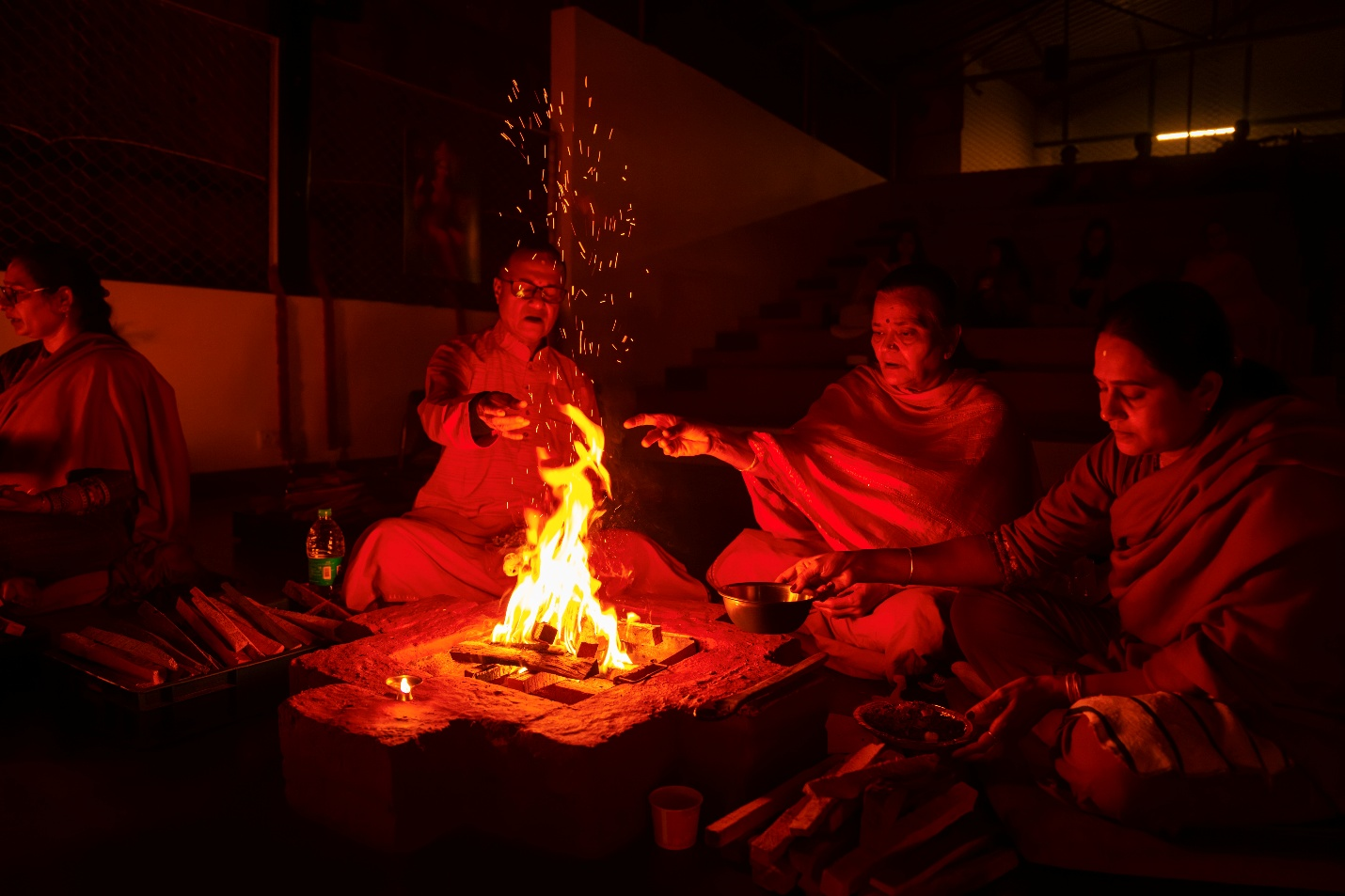
After taking a Sankalp, the rituals and practices include:
Chanting of Mantras (Jap)
Recitation of Stotras and scriptures such as the Srimad Devi Bhagwatam and Brahmand Puran
Sacrificial fire offerings (Yagnas)
Pujas of idols or Yantras (sacred geometrical figures) of Devi
Observances like fasting and maintaining celibacy
Secret Shrine in the Tantra Sadhana App
This year, turn inward and invoke Shakti with the Tantra Sadhana App.
The free app offers guided mantra chanting, fire offerings, and the esoteric practices of each Mahavidya, from Ma Kali to Ma Kamalatmika.
The rituals adhere to the principles of Divyachar — the highest path of Divine conduct and mental worship in Tantra.
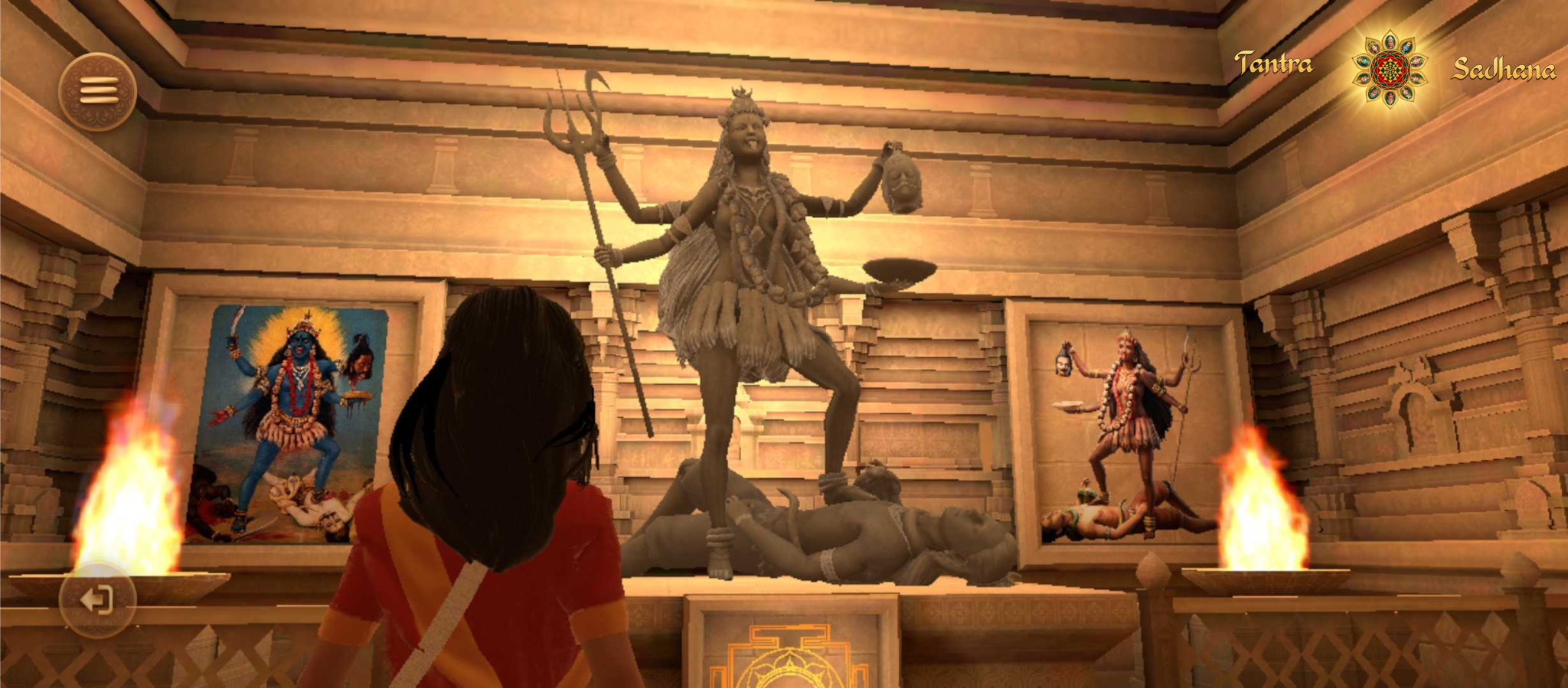
During every potent spiritual period, including Gupt Navratri, the Secret Shrine appears. It is a golden opportunity for every seeker to worship each Mahavidya with Her Dhyan Shlok.
Dhyan Shloks are meditative verses in Sanskrit that describe a deity's form, qualities, and attributes, serving to focus the seeker’s mind on the deity, cultivate devotion, and align with the deity's energy to obtain their blessings.
They help a seeker visualise the Divine as seen and described in the scriptures by seers who saw the deity in deep meditative absorption.
Choose the number of times you wish to chant the Dhyan Shlok and repeat it for a Mahavidya any number of times within a 24-hour window from 12 AM to 12 AM the next day.
Because of their sacred sound, Dhyan Shloks are considered on par with Mantras.
mantra-hīnaṁ kriyā-hīnaṁ dhyānenaiva hi siddhyati |
Even without mantra or ritual, realisation arises through Dhyan alone.
- Kularnava Tantra (Chapter 9)
The Secret Shrine for Magh Gupt Navratri 2027 opens on -
18th Jan (Mon) at 12:00 AM and closes on
27th Jan at 12:00 AM
Seize this potent window to connect with the diverse and powerful energies of each Mahavidya, and awaken the Shakti within.
References:
Comments
Your comment has been submitted